The Psychology of Conspiracy in Boxing: Why close decisions feel like robberies
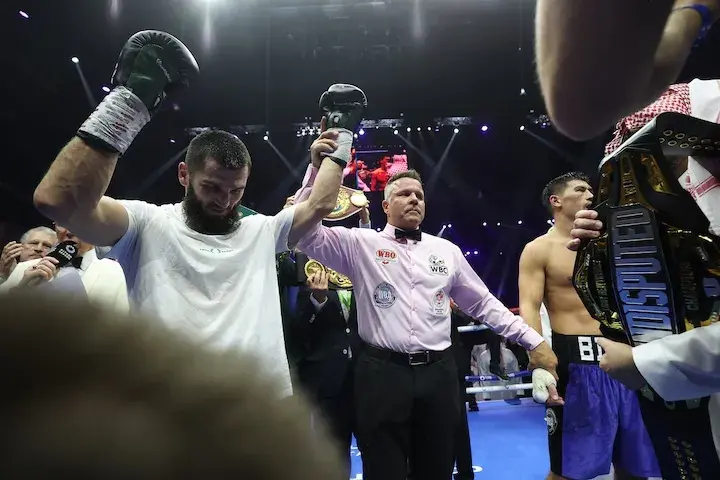
In boxing, nothing stirs outrage like a close decision that goes the "wrong" way, at least in the eyes of the public.
Read more

28 stories on BoxingScene are published under the Tom Schreck byline.
Every story follows our editorial policy. To report a mistake, use our corrections form; for anything else, contact us.
In boxing, nothing stirs outrage like a close decision that goes the "wrong" way, at least in the eyes of the public.

Former ringside judge Tom Schreck says that although CompuBox is useful and can enhance the fan experience, it should never be employed or treated as a scoring system.

Tom Schreck delves into an under-discussed aspect of boxing scoring

Despite how it is treated by the TV analysts or all the Twitter soldiers chiming in from their mom’s basement, being the outlier doesn’t automatically mean you got it wrong. Yet, the judge on the short side of the decision is often seen as being off. Some professionals even grade judges on how often they are in the majority.

Tom Schreck explains the three most common situations which lead to a ringside judge calling a round even.
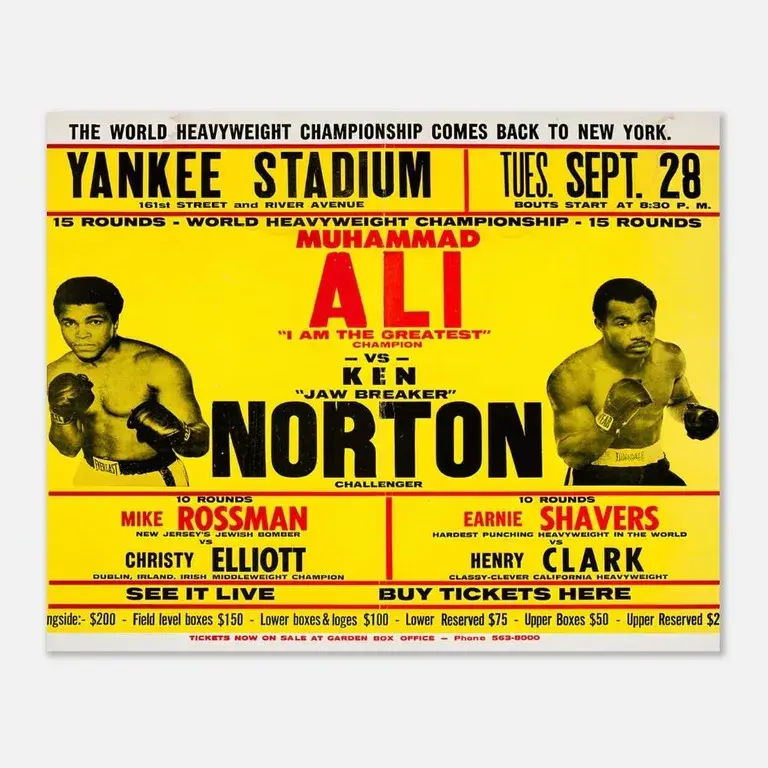
Muhammad Ali and Ken Norton fought three times in the 1970s. The record shows Ali winning two out of three, but had you asked most ringside observers – and even Ali himself – Norton may have deserved to sweep the series. So how did the decisions go the other way?

Tom Schreck writes that perception can swing how a fight is judged -- and what you see.
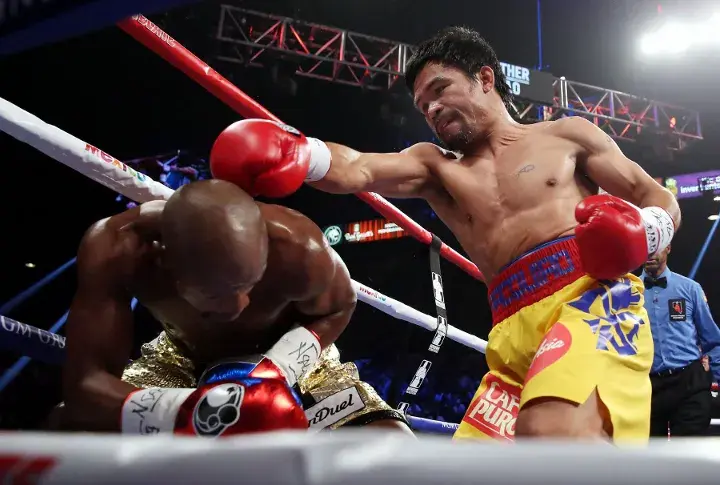
When both fighters are cautious, tentative or tired, it’s easy for everyone in the arena to check out. But for the judge, it’s not time to relax – it’s time to lock in even harder.
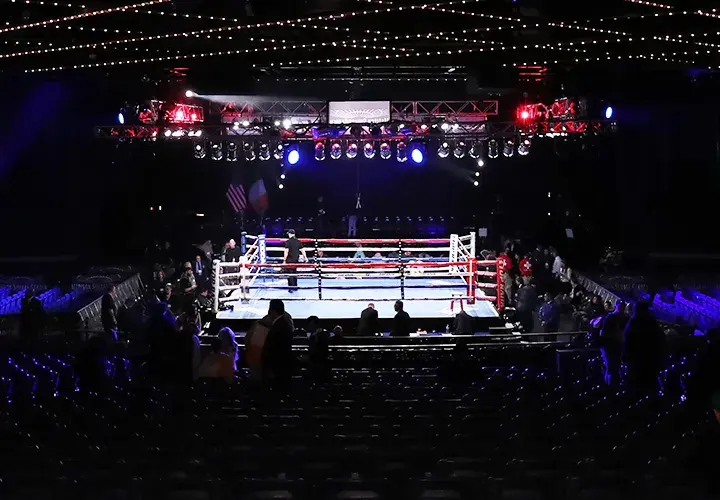
When can scoring a single knockdown not result in an extra point? To boxing Judge Tom Schreck explains all
Judge Tom Schreck explains his process for deciding which of the two boxers has won a particular round.