Why the Canelo Alvarez-Christian Mbilli card is already a flop

Oct 30, 2026 • 2:52 AM ET
 Mark Robinson / Canelo Promotions
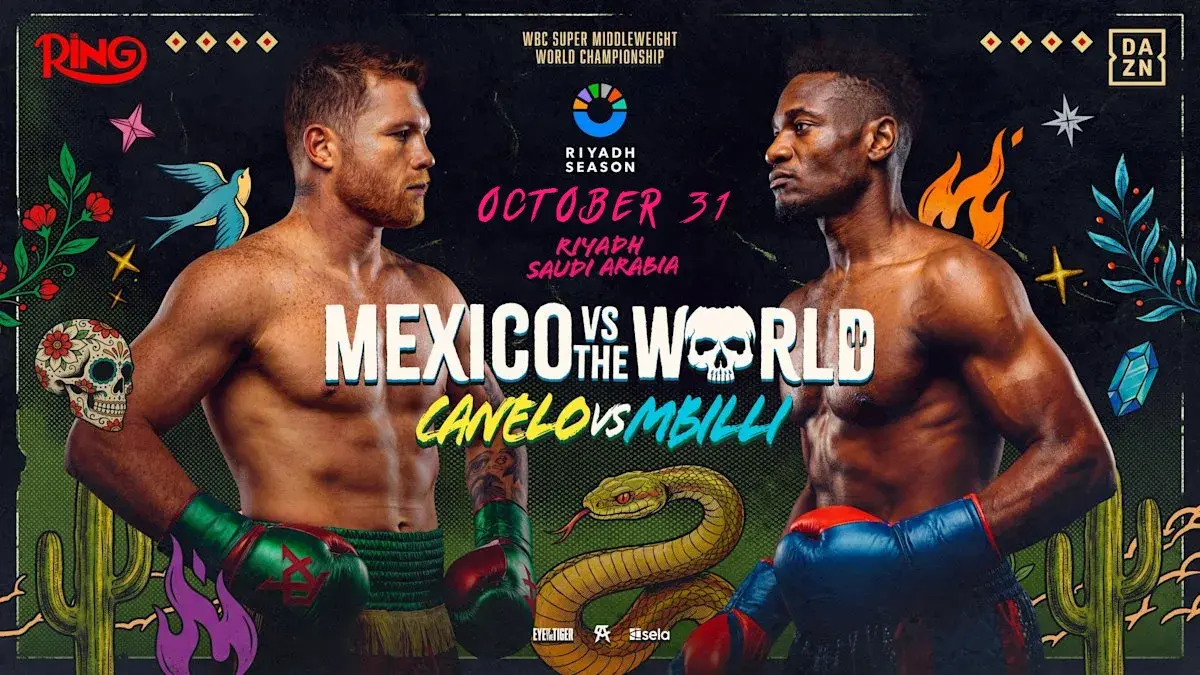
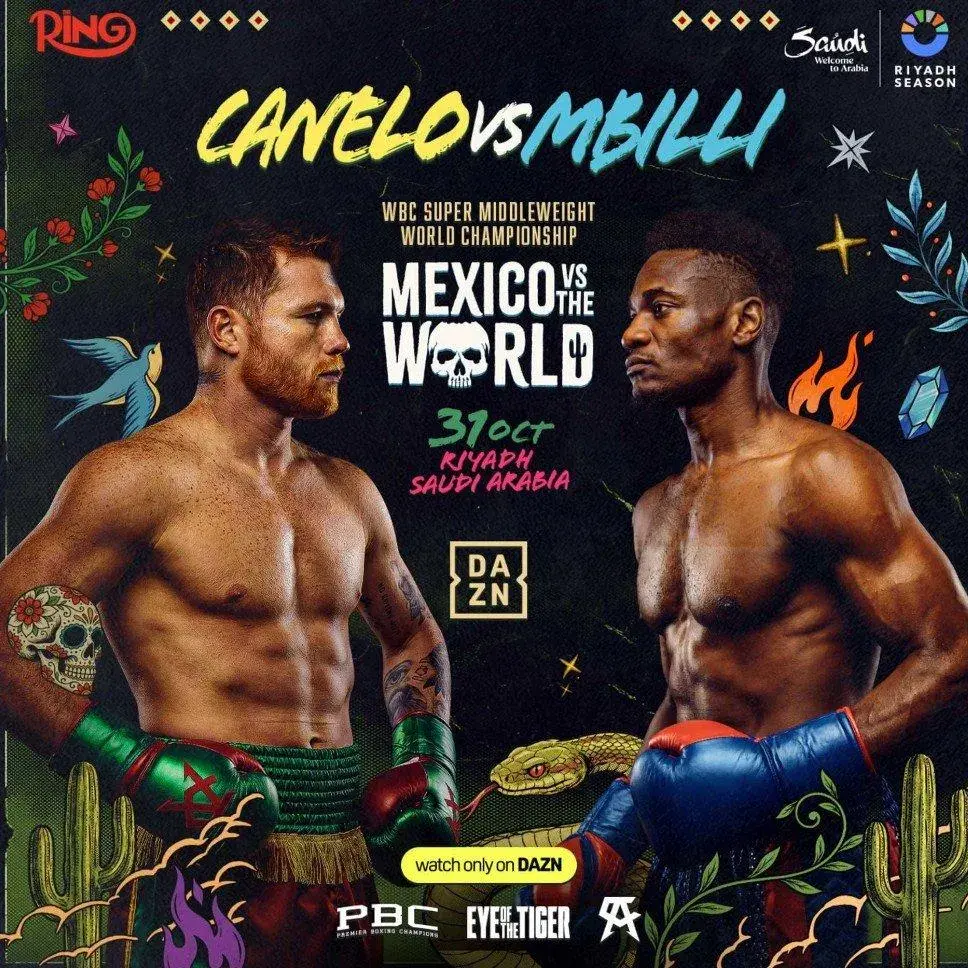
The mood, if you could call it that, around Saturday's Saul "Canelo" Alvarez-Christian Mbilli card has been unlike that leading up to any Canelo card in memory.
Alvarez showcases during the full maturity of his professional career have been events, often scheduled around the Cinco de Mayo and Mexican Independence Day weekends, combining celebrations of heritage and boxing that bring out fans in droves to cities like Las Vegas, Houston and Arlington, Texas – important dates and strongholds for fight fans, especially the Mexican Americans who make up a big portion of Canelo's followers.
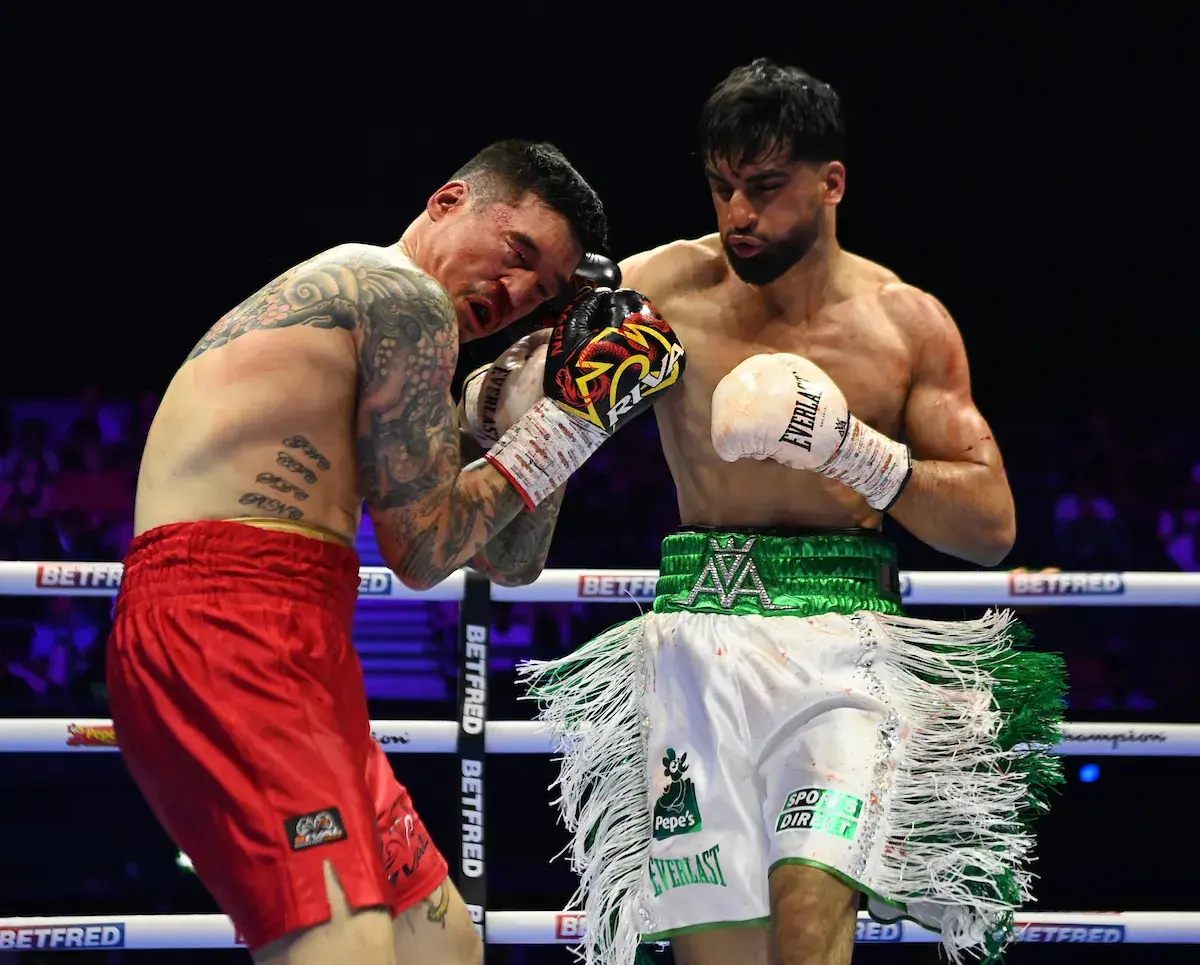
This time around? Meh. Alvarez, an old 36 and seemingly milking the last drops of marketability from his career, is fighting a hand-picked, there-to-be-hit Mbilli on a card featuring only two other fighters of note – neither of them in competitive matchups – in a city located 8,000 miles and cultural galaxies away from Vegas.
That mood? It's called disinterest.
Matter of fact, the most compelling narrative in the build-up to Saturday's card has been whether it would go on as planned at all.
Earlier this month, no fewer than a dozen people were killed in missile attacks on King Riyadh Airport in Saudi Arabia, located 13 miles from the ANB Arena where Canelo-Mbilli is scheduled to unfold. Fighters reportedly flew into an alternative airport and then faced a five-hour drive to their accommodations. Lindolfo Delgado, with a title on the line, chose to stay home altogether. On Thursday, Saudi Arabia issued a "hostile aerial threat" warning, which was promptly followed by the launching of Houthi missiles at Riyadh targets and their interception by the countermeasures of Saudi coalition forces.
Homesick for The Strip's flashing lights and the Belaggio fountain blasts much?
Related debates about weighing safety against ... well, anything else seem laughable at this point. There's no scenario in which fight organizers don't take a bath on this one:
Gate? What gate? Tickets reportedly start at $13.33 a pop, which tells you all you need to know.
TV ratings? A dreadful undercard will be followed by a main event set to jump off on Halloween as parents back in the States are pulling their kids' costumes together or already ringing neighbors' doorbells for Kit Kats.
Trick or treat? When it comes to this show, bet heavy on the former.
None of Saturday's fights are essential. Set aside the life-and-death stakes, if you can, for a moment. Even when viewed only through the lens of boxing, there was simply no good reason not to reschedule and relocate this card.
The notion that the event hinged on some sort of game of chicken over Canelo's $47 million purse guarantee is outlandish. Alvarez reportedly stands to make as much as $100 million if the fight comes off. Instead, why not find a far safer venue on a not-too-distant date in the future, enjoy a similar windfall and, to paraphrase former titleholder and current boxing analyst Chris Algieri, stick around to spend it?
There's a reason tennis, golf, cycling and WWE, among others, saw officials pull the plug on recent and upcoming scheduled events in the area. Because any other choice would be patently insane.
Bad fights. Bad card. And all that can be done now, it seems, is to hope against hope that nothing else bad comes of it.
Even if everyone gets out of Riyadh alive – and I wish that were hyperbole – cramming this card through the schedule is a monumentally selfish and epically stupid move on the part of all its power brokers, Canelo included.
When it comes to boxing, we know one when we see it:
Bad decision.