


Mark Jeffers makes short work of Ricardo Lara; Troy Coleman wins a thriller

Apr 20, 2025 • 1:34 PM ET
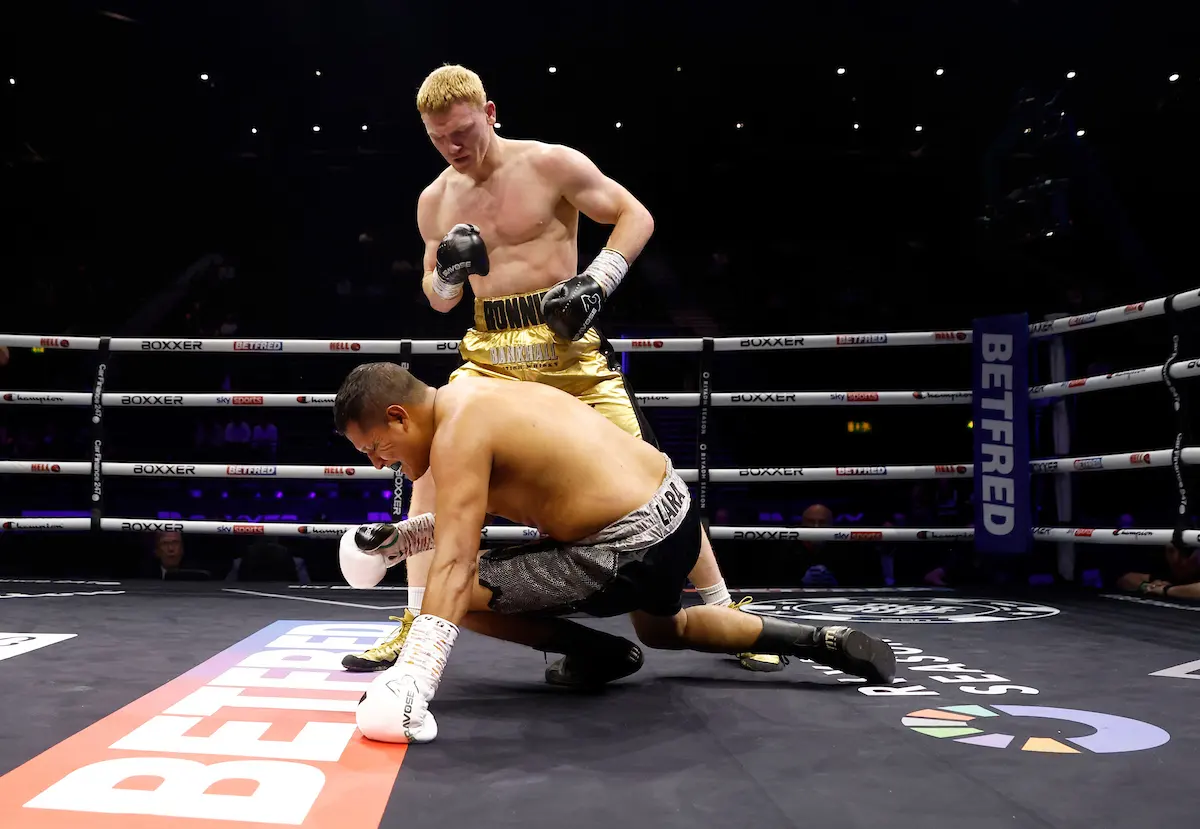
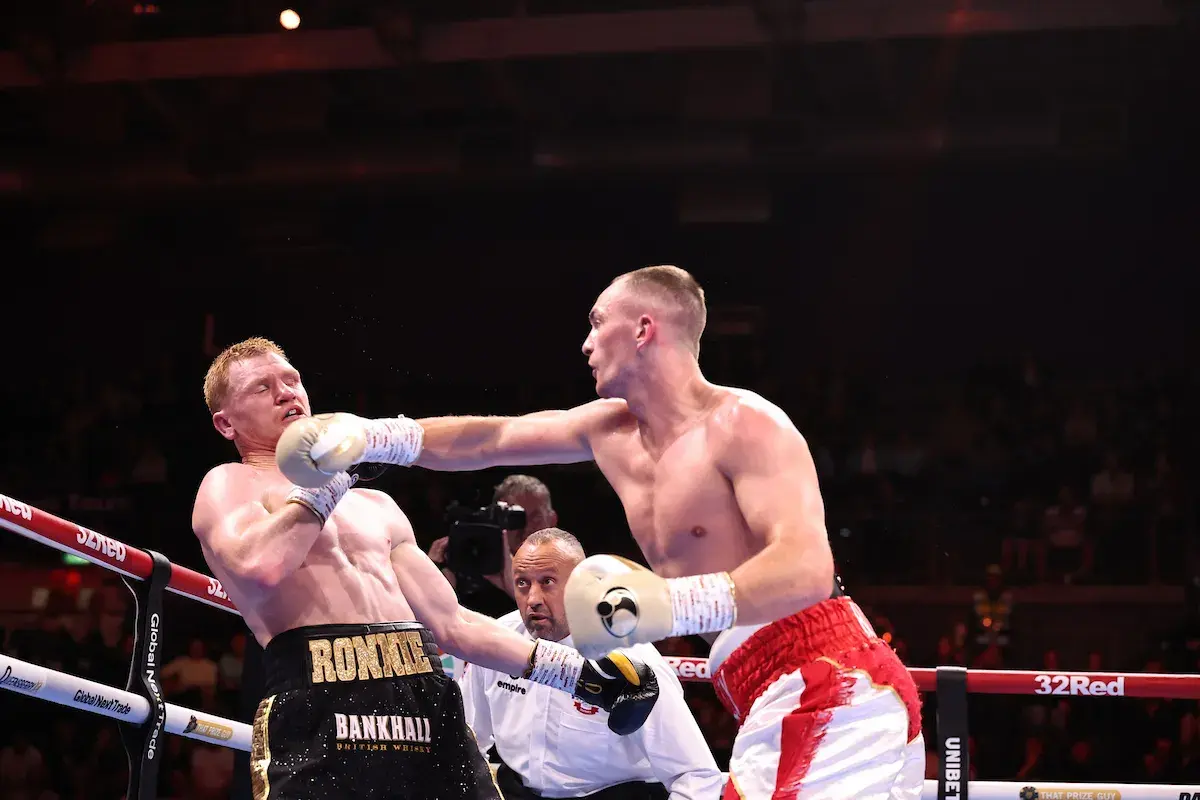
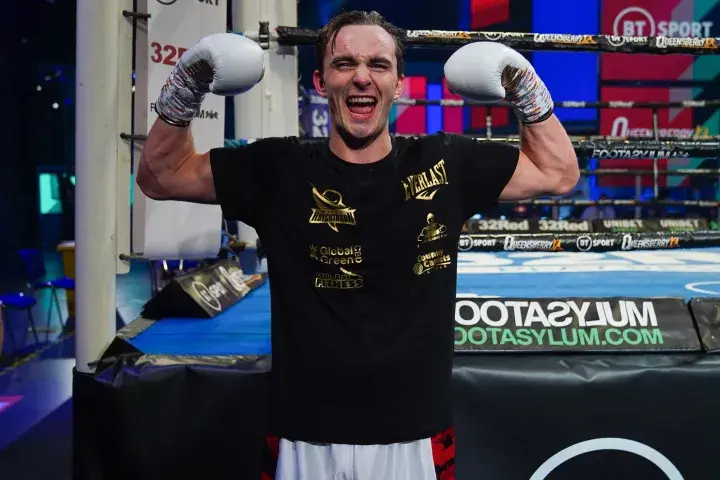
BIRMINGHAM, ENGLAND – The super middleweight Mark Jeffers, 20-0 (7 KOs), scored a second-round bodyshot stoppage of Mexican Ricardo Lara, 24-14-2 (12 KOs).
They met in the opening bout of the Ben Whittaker-Liam Cameron II card
It was all over after 40 seconds of the second round and Jeffers, from Chorley, England, had been in control from the start.
Jeffers was relentless, working both up and downstairs, and Lara complained about a blow straying low early on. But some lefts to the body had Lara retreating too, and any early zap was soon gone from the visitor’s punches. To that end, Jeffers was emboldened, and marched through what came his way, dropping Lara with an uppercut marginally before the bell to end the first round.
But the end was near. Not long after the action resumed in the second, Jeffers’ bodywork was again rewarded when he buried shots into the Mexican’s midriff that saw him drop to a knee, where he was counted out. It had been scheduled for six.
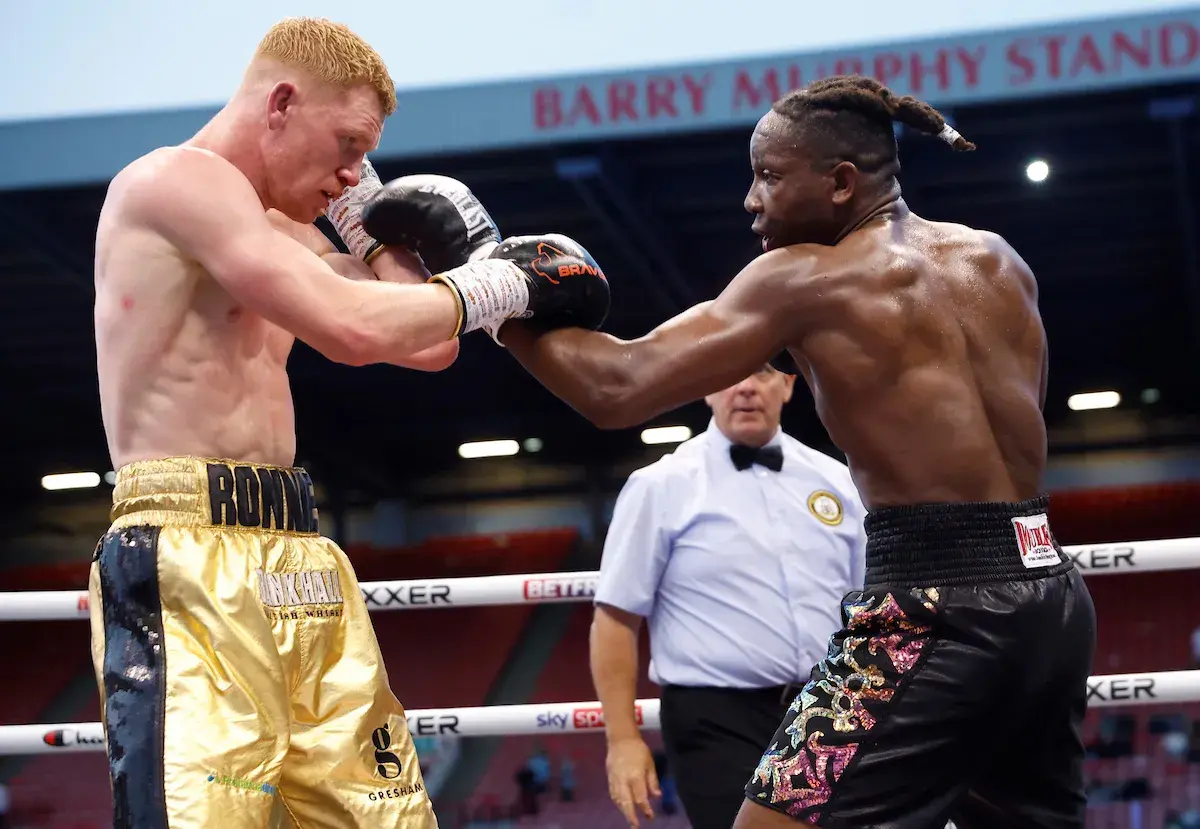
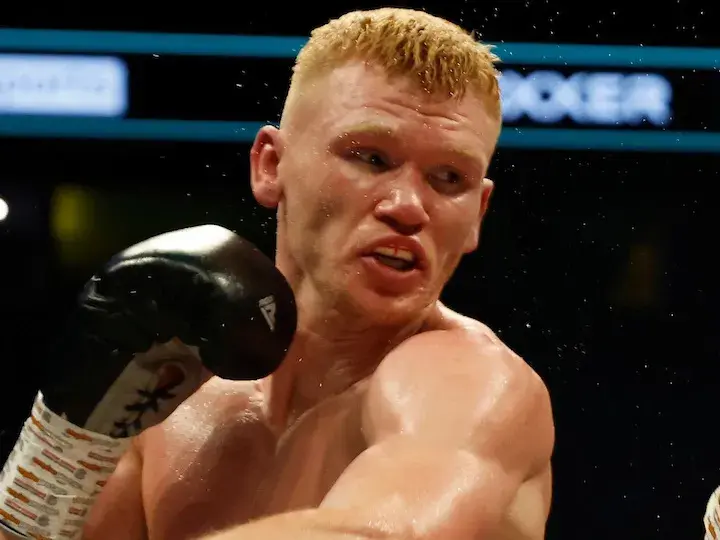
The fifth round of the Midlands Area middleweight title fight was as dramatic as any you could hope to see. After Coventry’s 12-1 (8 KOs) southpaw Bradley Goldsmith, trained by Dominic Ingle, had spent the majority of the round pummelling the champion, Troy Coleman, 14-3-1 (6 KOs) and from Burntwood, Staffordshire, the 10 second clackers went and Coleman turned the tide.
He crashed in a right hand and a right uppercut that dropped the previously-marauding Goldsmith at the bell. It was wild.
Coleman tried to get his right hand working against the left hander from the start, and his team celebrated as he pushed his right into Goldsmith’s head and stomach in the opening exchanges. But Goldsmith’s hands looked heavier, and he was a danger with his right hook and posed a regular threat pivoting off his lead foot to create opportunities for second-phase attacks. There was a good spell of trading in the third. Both landed left hooks and Goldsmith was looking for left uppercuts as a follow-up shot. Goldsmith’s variety had Coleman guessing, and Coleman’s corner urging their man to let his hands go. But a right to Coleman’s side had him on the back foot for spell in the fourth round, and Goldsmith recognized the opportunity that was presented and tried to land to the body again, only to walk on to a pair of straight rights.
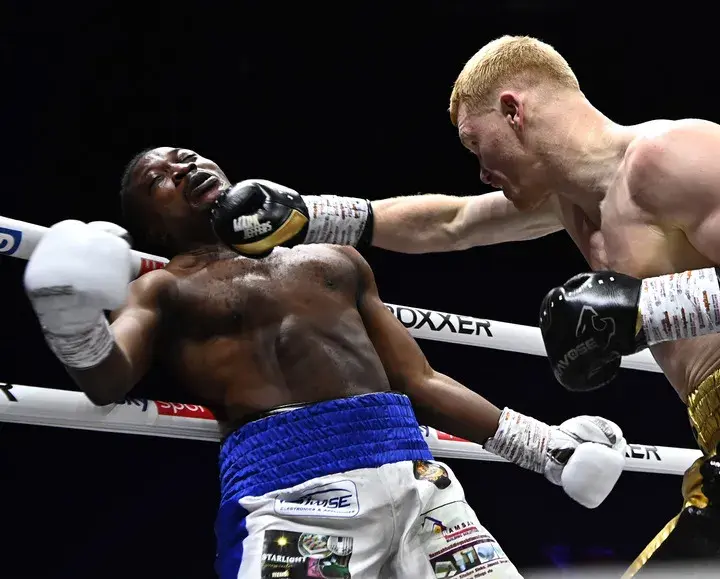
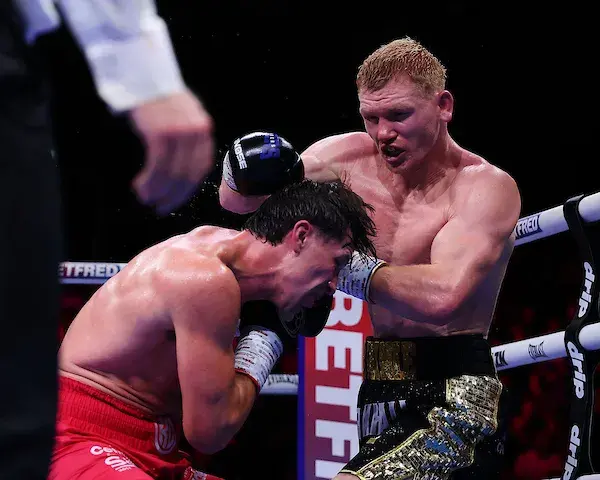
The fifth was a quieter session, but Goldsmith came out for the sixth and swamped Coleman with his work. There was little coming back from his orthodox opponent, and Goldsmith was throwing tirelessly with both hands. Coleman’s nose leaked blood but, with 10 seconds left in the round and Goldsmith tiring, he got clobbered by a straight right, and a blistering right uppercut dropped him heavily at the bell.
Ingle raced in to recuse him and return him to the corner but, on weary legs when he came back out, Goldsmith did his best to stay out of the way yet was caught by several right hands and both seeemed on the brink of exhaustion. It was thrilling and breathless, but – with Goldsmith taking too much and unable to get out of harm’s way sufficiently – the referee Chris Dean stepped in and stopped it after 1:21 of the round.
The Kent welterweight Elliot Whale improved to 12-0 (7 KOs) when he won an eight-rounder against Portsmouth’s Lucas Ballingall, 18-3 (5 KOs).
After a cagey opening round, the southpaw Whale started to outwork Ballingall by the third, getting his lead right hand going in the form of hooks and uppercuts. “Good work,” came a cry from Whale’s corner.
The South Coast's Ballingall kept coming forwards, unfazed by Whale’s activity, but he wasn’t landing enough to change the trajectory of the contest. Ballingall thudded in some rights to the body and head in the seventh, but Whale kept punching, landing a good right hook to the body of his own, and was a worthy winner. Both celebrated at the bell, but Whale won 79-74, according to the referee Kevin Parker.
Tris Dixon covered his first amateur boxing fight in 1996. The former editor of Boxing News, he has written for a number of international publications and newspapers, including GQ and Men’s Health, and is a board member for the Ringside Charitable Trust and the Ring of Brotherhood. He has been a broadcaster for TNT Sports and hosts the popular “Boxing Life Stories” podcast. Dixon is a British Boxing Hall of Famer, an International Boxing Hall of Fame elector, a BWAA award winner, and is the author of five boxing books, including “Damage: The Untold Story of Brain Trauma in Boxing” (shortlisted for the William Hill Sportsbook of the Year), “Warrior: A Champion’s Search for His Identity” (shortlisted for the Sunday Times International Sportsbook of the Year) and “The Road to Nowhere: A Journey Through Boxing’s Wastelands.” You can reach him @trisdixon on X and Instagram.