

 Tweet
Tweet
 ESPN's Top 10 Active fighters from the former USSR
The collapse of the Soviet Union in 1991 opened the door to professional boxing for a stream of fighters from the former USSR and the face of the fight game was soon to change. Who could have dreamed in the 1970s that 30 years later, fighters from behind what used to be called the Iron Curtain would dominate the heavyweight division?
London-based international boxing manager and agent Philippe Fondu handles a number of fighters from the former Soviet bloc, including world-ranked lightweight Yuri Romanov of Belarus.
"These guys come from a strong amateur background," Fondu said from London this week, "so when they go pro they're already professionals. Boxing is traditionally a sport for the poor, and for a lot of these guys, they come from a background that's like it was here [in the west] in the 1930s."
Fondu believes, amateur pedigree, work ethic and hunger for a better life is the common thread that drives these fighters.
As Ukrainian Wladimir Sidorenko counts down to a bantamweight title defense on Saturday, here is a look at a top 10 list of currently active fighters from the former Soviet Union.
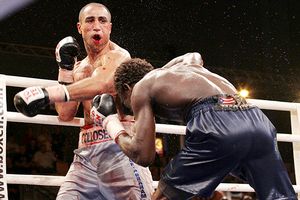
10. Vic Darchinyan
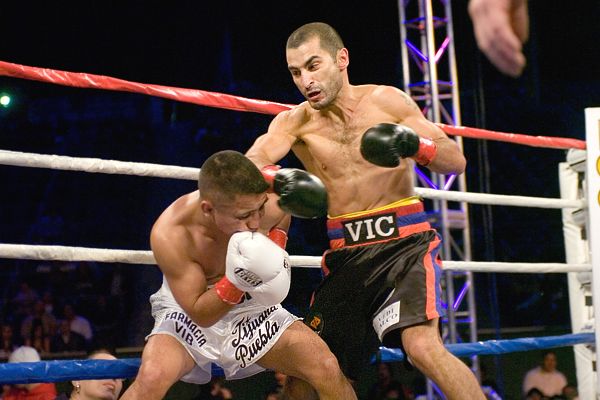
Armenia's Darchinyan settled in Australia after boxing in the 2000 Olympics in Sydney -- a decade after Russia's Kostya Tszyu turned professional Down Under after winning a gold medal in the world championships in the same city.
A heavy hitting southpaw, Darchinyan had a deep amateur background that included boxing in the world championships twice, but his aggressive style was better suited for professional boxing. He had some exciting wins on Showtime, outclassing opponents with power rather than technique, but a stunning KO defeat against Filipino Nonito Donaire wrecked Darchinyan's hopes of a superfight with Jorge Arce. Now boxing in the 115-pound junior bantam division, Darchinyan fought a controversial draw with Z Gorres in the Philippines his last fight. He still remains an attraction, although the Donaire defeat diminished his reputation.
9. Sultan Ibragimov
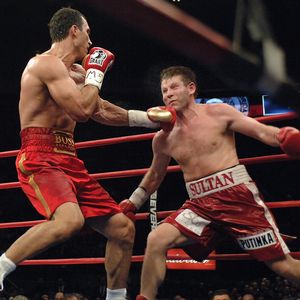
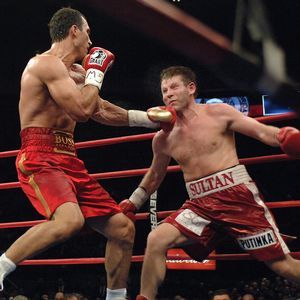
Russian southpaw Ibragimov -- the 2000 Olympic heavyweight silver medalist -- turned professional with Warriors Boxing in Miami and showed that a smallish heavyweight can enjoy success against today's super-sized big men, that is until he was matched with Wladimir Klitschko.
Ibragimov's ultra-defensive showing in that bout dealt a blow to his reputation, but before this he had boxed pleasingly in heavyweight championship wins over Shannon Briggs and Evander Holyfield. Ibragimov can come back -- although 33, he has not had a long career (24 bouts) and he can look at the Klitschko fight as a learning experience.
8. Andreas Kotelnik
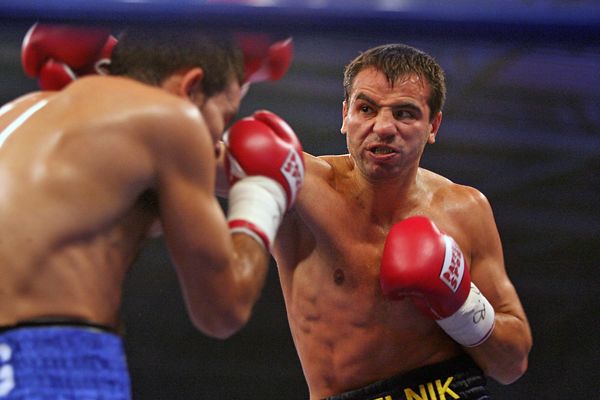
Only the most serious fans will have heard of Andreas Kotelnik, but the Hamburg-based Ukrainian is a solid, well-schooled technician worthy of respect. Kotelnik showed just how good he is by hammering Gavin Rees in 12 rounds in Cardiff in March to become junior welter champion at the second attempt. The previously unbeaten, busy-punching Rees was systematically broken down.
Kotelnik, the lightweight silver medalist in the 2000 Olympics, has had bad luck on the scorecards, losing close decisions on the road against Junior Witter in Britain and Souleymane M'baye in France. Then in Liverpool he had to settle for a draw in a world title rematch with M'baye. In the fight with Rees, though, he gave a textbook-perfect performance and had his stocky opponent hurt and reeling when the referee intervened.
7. Alexander Povetkin
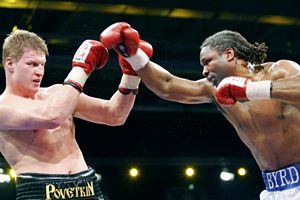
Russia's unbeaten Povetkin has a combination-punching, aggressive style that could be called more American than Eastern European. Small by today's heavyweight standards, but strong and thickset, the 28-year-old Povetkin brings pressure and a high-punch output. He completely outworked the skilled counter puncher Eddie Chambers on HBO in January and before this he easily beat former contender Larry Donald and overpowered ex-champion Chris Byrd.
Povetkin won the gold medal at the 2004 Olympics, in the super heavyweight (over 201 pounds) division and gold at the world championships in 2003. He went into his world championships gold-medal bout against Pedro Carrion suffering from a badly bruised, swollen right eye, but he overcame the much bigger Cuban in a close contest.
London-based international boxing manager and agent Philippe Fondu handles a number of fighters from the former Soviet bloc, including world-ranked lightweight Yuri Romanov of Belarus.
"These guys come from a strong amateur background," Fondu said from London this week, "so when they go pro they're already professionals. Boxing is traditionally a sport for the poor, and for a lot of these guys, they come from a background that's like it was here [in the west] in the 1930s."
Fondu believes, amateur pedigree, work ethic and hunger for a better life is the common thread that drives these fighters.
As Ukrainian Wladimir Sidorenko counts down to a bantamweight title defense on Saturday, here is a look at a top 10 list of currently active fighters from the former Soviet Union.
10. Vic Darchinyan
Armenia's Darchinyan settled in Australia after boxing in the 2000 Olympics in Sydney -- a decade after Russia's Kostya Tszyu turned professional Down Under after winning a gold medal in the world championships in the same city.
A heavy hitting southpaw, Darchinyan had a deep amateur background that included boxing in the world championships twice, but his aggressive style was better suited for professional boxing. He had some exciting wins on Showtime, outclassing opponents with power rather than technique, but a stunning KO defeat against Filipino Nonito Donaire wrecked Darchinyan's hopes of a superfight with Jorge Arce. Now boxing in the 115-pound junior bantam division, Darchinyan fought a controversial draw with Z Gorres in the Philippines his last fight. He still remains an attraction, although the Donaire defeat diminished his reputation.
9. Sultan Ibragimov
Russian southpaw Ibragimov -- the 2000 Olympic heavyweight silver medalist -- turned professional with Warriors Boxing in Miami and showed that a smallish heavyweight can enjoy success against today's super-sized big men, that is until he was matched with Wladimir Klitschko.
Ibragimov's ultra-defensive showing in that bout dealt a blow to his reputation, but before this he had boxed pleasingly in heavyweight championship wins over Shannon Briggs and Evander Holyfield. Ibragimov can come back -- although 33, he has not had a long career (24 bouts) and he can look at the Klitschko fight as a learning experience.
8. Andreas Kotelnik
Only the most serious fans will have heard of Andreas Kotelnik, but the Hamburg-based Ukrainian is a solid, well-schooled technician worthy of respect. Kotelnik showed just how good he is by hammering Gavin Rees in 12 rounds in Cardiff in March to become junior welter champion at the second attempt. The previously unbeaten, busy-punching Rees was systematically broken down.
Kotelnik, the lightweight silver medalist in the 2000 Olympics, has had bad luck on the scorecards, losing close decisions on the road against Junior Witter in Britain and Souleymane M'baye in France. Then in Liverpool he had to settle for a draw in a world title rematch with M'baye. In the fight with Rees, though, he gave a textbook-perfect performance and had his stocky opponent hurt and reeling when the referee intervened.
7. Alexander Povetkin
Russia's unbeaten Povetkin has a combination-punching, aggressive style that could be called more American than Eastern European. Small by today's heavyweight standards, but strong and thickset, the 28-year-old Povetkin brings pressure and a high-punch output. He completely outworked the skilled counter puncher Eddie Chambers on HBO in January and before this he easily beat former contender Larry Donald and overpowered ex-champion Chris Byrd.
Povetkin won the gold medal at the 2004 Olympics, in the super heavyweight (over 201 pounds) division and gold at the world championships in 2003. He went into his world championships gold-medal bout against Pedro Carrion suffering from a badly bruised, swollen right eye, but he overcame the much bigger Cuban in a close contest.
Comment