Tyson Fury rules out retirement, might sign '10-fight deal'
•Read more

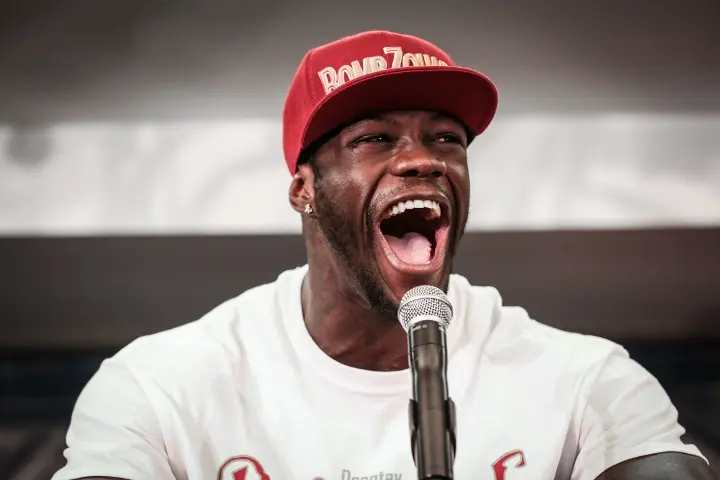
The promoter for Russian heavyweight boxer Alexander Povetkin said he wants the title fight against WBC champion Deontay Wilder rescheduled for later this year and that new testing proves Povetkin is clean.
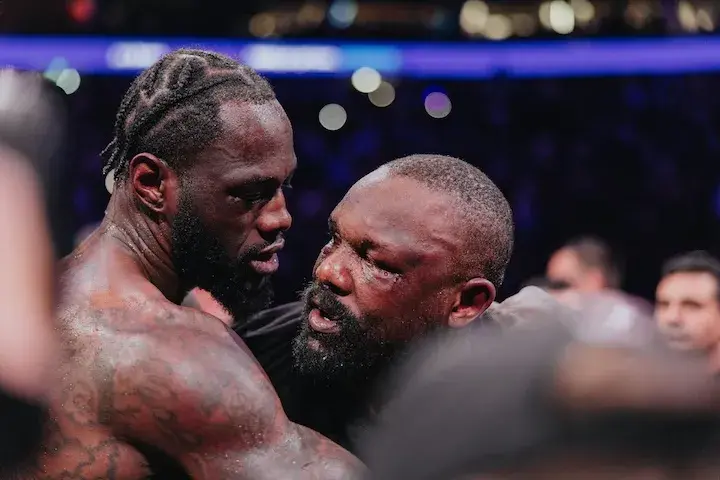
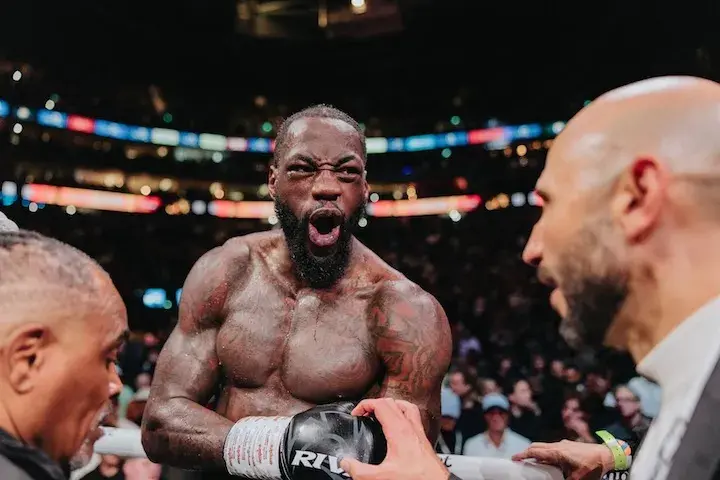
Wilder had been due to fight Povetkin, his mandatory challenger, on May 21 in Moscow before the Russian tested positive for meldonium, causing the WBC to postpone the fight indefinitely for an investigation. Povetkin was tested on May 17th by the Voluntary Anti-Doping Association (VADA) and came up clean.
Wilder has since been cleared to make a voluntary defense by the WBC. A statement issued Tuesday by Povetkin’s promoter Andrei Ryabinsky said “the postponed fight should take place by the end of the year.”
That is likely to face opposition from Wilder, who has called for Povetkin to be suspended from boxing. Wilder’s promoter Lou DiBella opposes any talk of rescheduling before a WBC ruling.
Wilder is poised to return in July or August, with Chris Arreola listed as the current frontrunner.
According to WBC President Maurcio Sulaiman, his organization is going to rule on the matter in next few days and they will also issue a full order on the heavyweight division.
"The WBC is still in the process of the investigation, and neither party has anything to do with this process. Deontay Wilder keeps saying things, Alexander Povetkin keeps saying things, and all we are doing is continuing with our process," said Sulaiman.
"We will make everything known in a couple of days, regarding the status of the fight and the division. We will make everything known regarding the outcome of the investigations. There are still some things that we are checking."
Ryabinsky is insisting that Povetkin ingested the substance last year, when it's use was still legal. The substance was banned on January 1. Povetkin's drug test from April 27th showed a trace of meldonium, but his tests taken earlier that month were clean. Ryabinsky feels the test from May 17th should clearly display to the WBC that his boxer was clean.
“I want to emphasize that Alexander Povetkin has never taken any prohibited drugs,” Ryabinsky said Tuesday.
Meldonium was long used as a supplement by athletes in Eastern Europe. When it was banned for 2016, more than 100 athletes worldwide tested positive in the following months.
The World Anti-Doping Agency responded by launching an investigation into how long the drug can remain in an athlete’s body, with the aim of finding a way to distinguish between athletes who continued taking meldonium after it was banned and those who had a low concentration left over from consumption last year.
The WADA investigation has yet to report back, but almost all athletes who tested positive have been cleared to compete until the results come in.
 HOT0:12Dubiel Sánchez Round 1 Knockout Of Oliver Quintana19K views
 HOT1:09Would you like to see Pacquiao make his UK debut against Cordina? #Boxing5K views
 HOT1:07Does Vergil need to stop Thurman faster than Fundora did to make a statement? #boxing4.3K views
 HOT1:22Should Canelo-Mbilli go ahead as planned, or should the event be postponed? #boxing5.8K views
 HOT1:17Should the event proceed under the current circumstances? 👇 #boxing3K views
 HOT0:59Is Shakur justified in demanding more, or has he priced himself out of a major fight? #boxing8.3K views
 HOT1:12Kevin Anton Defeats Freudis Rojas Jr And Retains WBC Title5.5K views
 HOT0:30Kevin Anton Unloads On Freudis Rojas Jr In Round 105.7K views
 HOT1:16Should Canelo-Mbilli proceed as planned, or should fighter safety take priority? 👇 #boxing9.5K views
 TRENDING1:00Could Tim Tszyu make history, or does Lara have another upset in him? 👇🇦🇺 #boxing4.4K views
 NEW0:49Is it time for Gonzalez to get his world title opportunity? #boxing276 views
 NEW2:22Bryan Flores vs Jonathan Navarro Highlights331 views