

Self-serving stubbornness got Canelo Alvarez this far — why change now, right?

Oct 26, 2026 • 8:30 AM ET
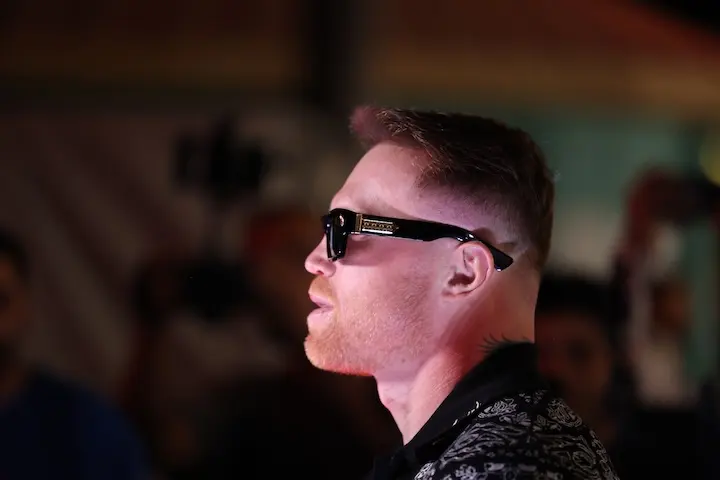 Photo: Leigh Dawney/Queensberry
Boxing matches scheduled for Halloween have always lent themselves to easy “fight night”/“fright night” quips and taglines, but there’s something far less playful and far more ghoulish about what boxing is dropping into our pumpkin-shaped basket this year.
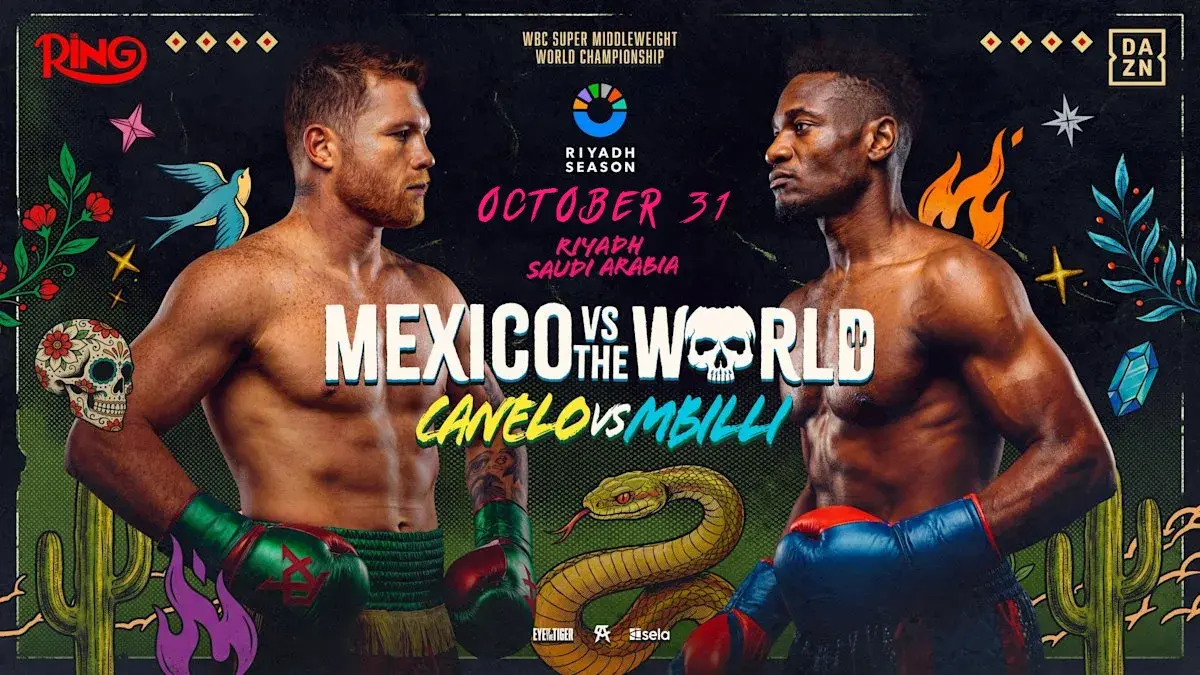
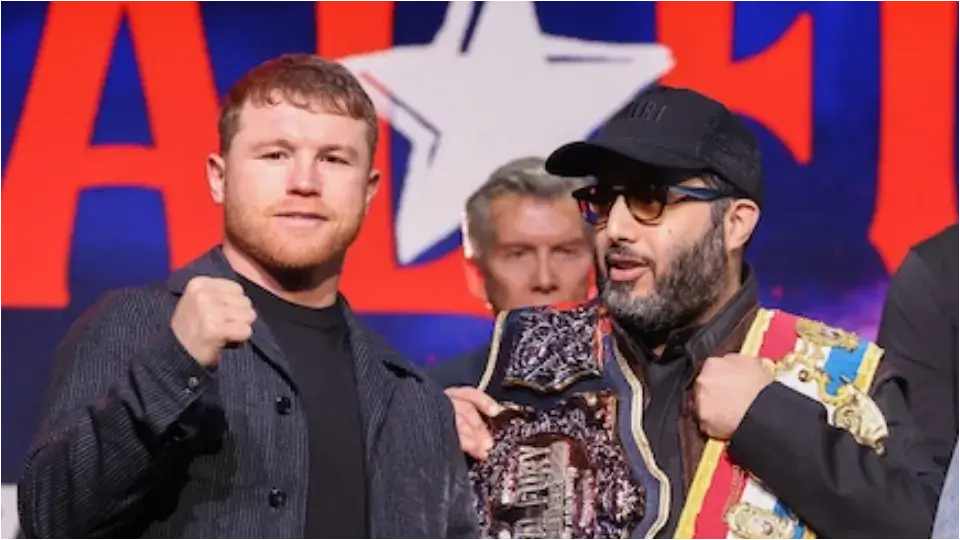
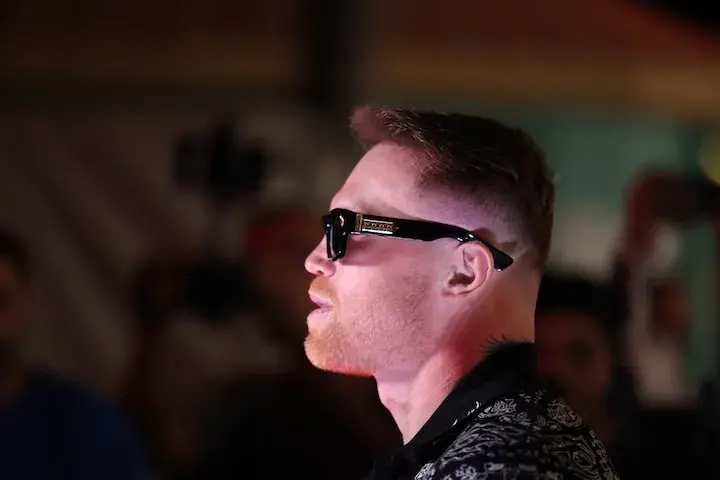
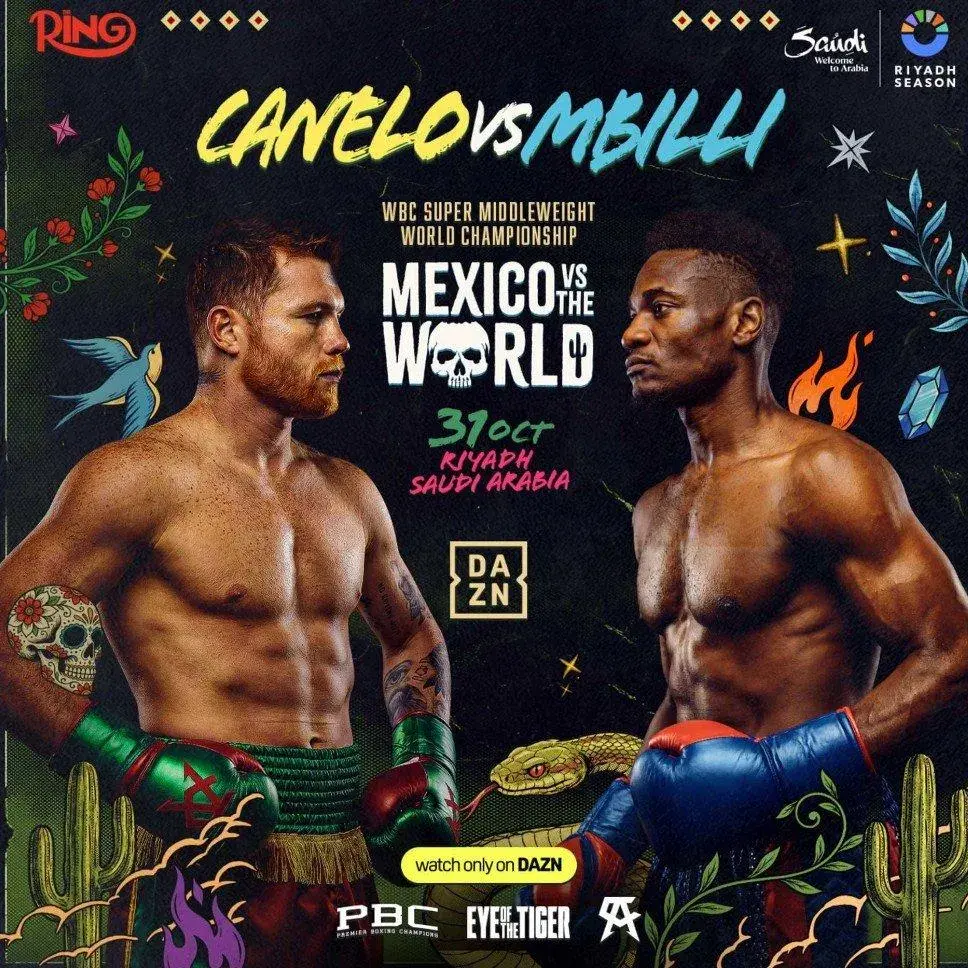
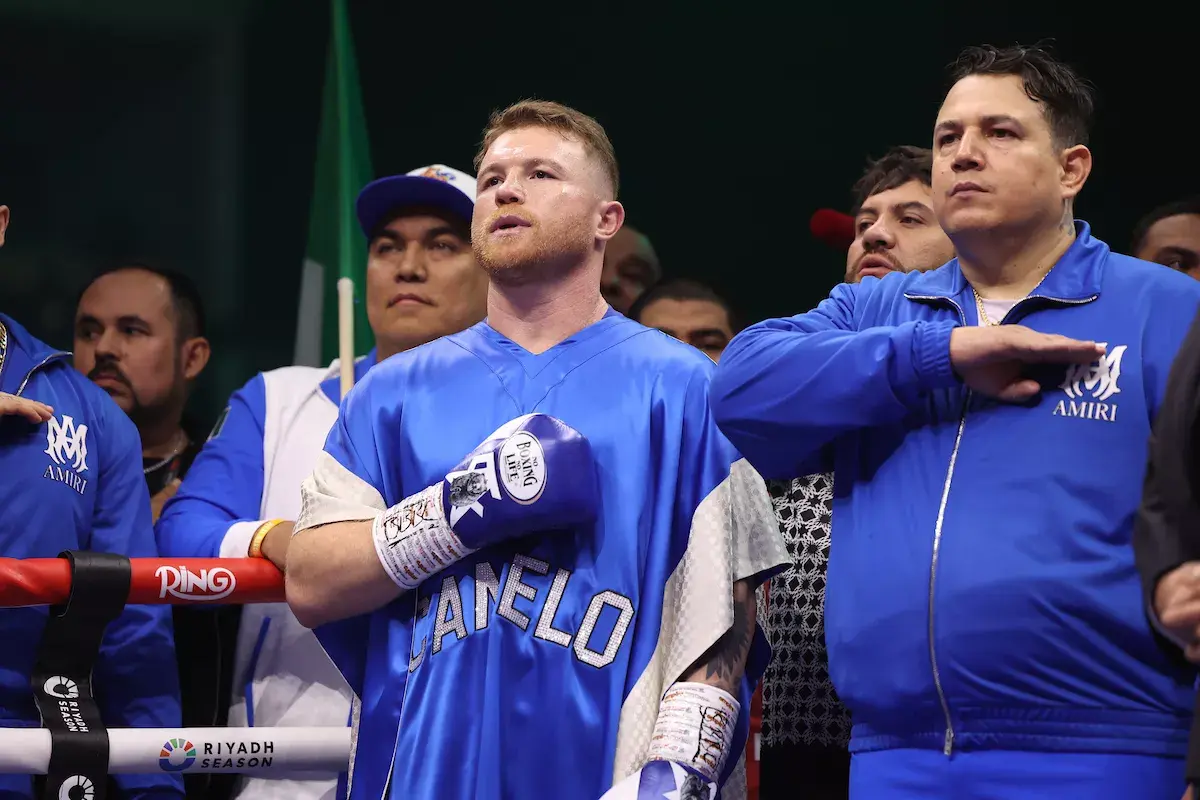
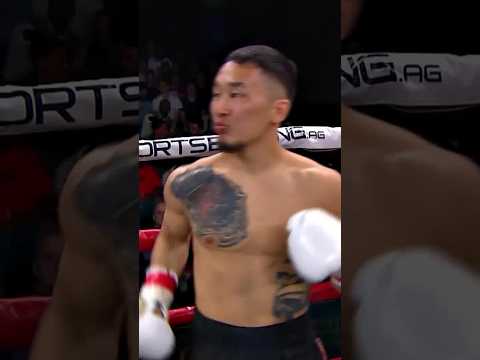
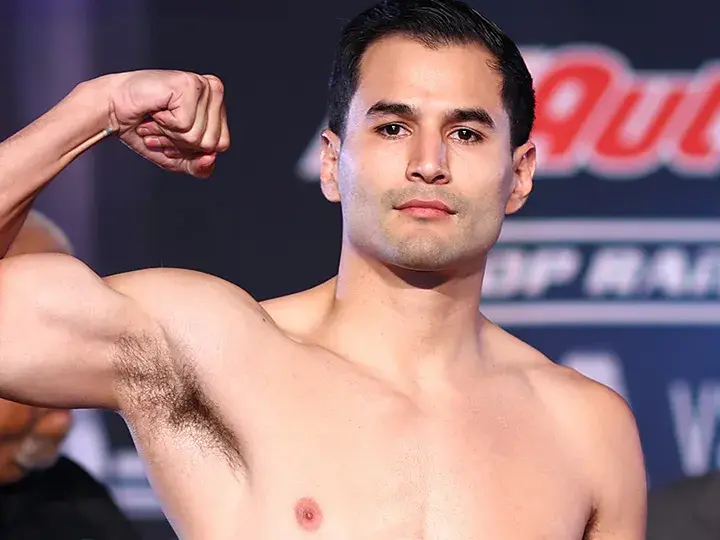
The worst-case scenarios are far worse than any past scenarios I can recall for any fight, as Saul “Canelo” Alvarez faces Christian Mbilli atop a fight card in Riyadh, Saudi Arabia, during which any of the usual talk from the commentators of fighters throwing “bombs” or “detonating” left hooks will make us all squirm.
Sure, everyone who ever gets on an airplane or rides in a car or walks down the street in a rough neighborhood is risking their life to some extent, and yes, every boxer is putting their health on the line every time they step into the ring. But those concerns are usually measured in fractional percentages. This coming Saturday in Riyadh, we fear for people’s lives in whole numbers.
Nearly every other sporting event in the region this month has been canceled or postponed. A tennis tournament was moved to the end of December. A golf event was postponed indefinitely. A cycling event was scrapped. An eSports competition got bumped. Numerous soccer/football matches are being rescheduled.
But, as this article goes to press five days out from the opening bell, Canelo vs. Mbilli is all systems go.
Welcome to the most uneasy fight week I can ever remember.
To most of us, proceeding with a boxing card in an active war zone seems foolish, reckless, short-sighted. Couldn’t they have started looking for an alternate venue after an October 10 missile strike on King Khalid International Airport killed 13 people and injured 308 others? Is it really necessary to stage this card at this specific arena on this exact date, knowing even if it turns out to be perfectly safe on fight night, there will be some undercard boxers who either can’t or won’t make the trip, others physically depleted by the planes-trains-and-automobiles of it all and assorted trainers, managers, promoters and broadcasters sitting it out?
No, it is not necessary. But the fact that it is proceeding despite this heightened cocktail of danger and inconvenience shouldn’t be at all surprising. Because this is how Canelo Alvarez has always operated.
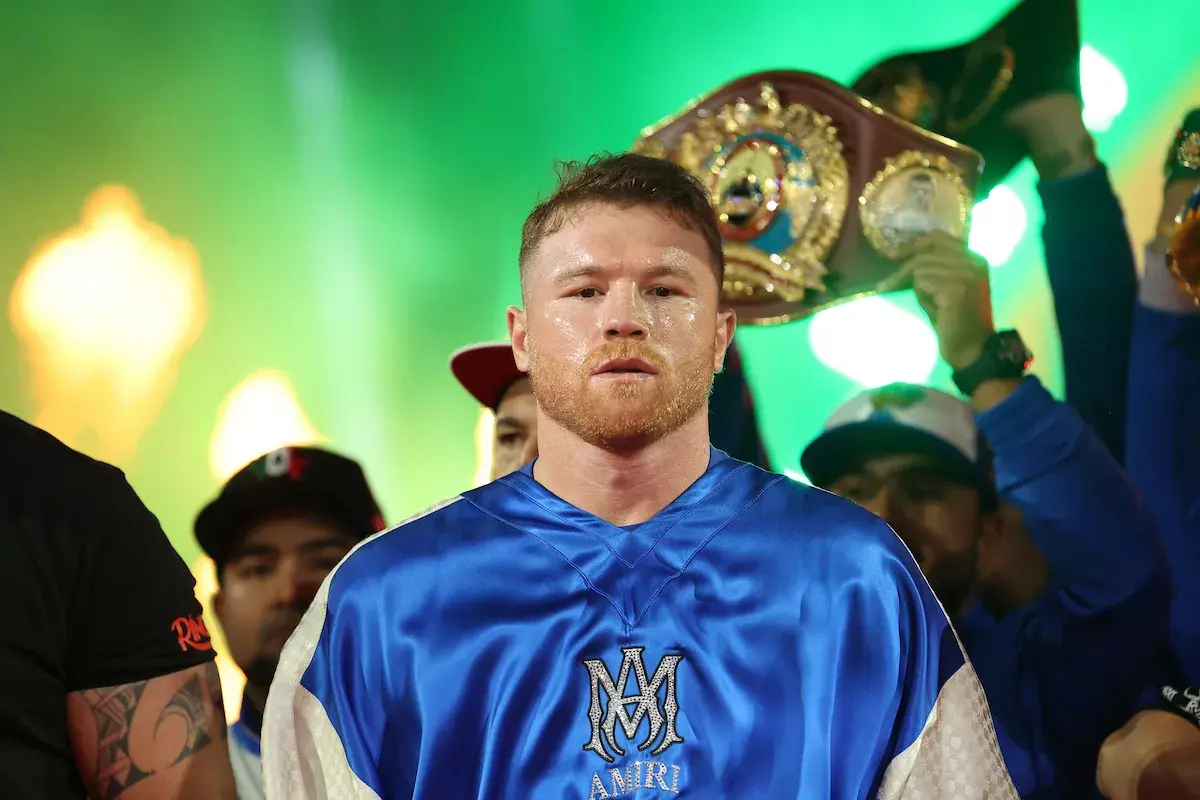
Alvarez is stubborn. Once he decides he wants to do something, that’s it, he’s doing it. It doesn’t matter what anyone else advises. It doesn’t matter that, to the rest of us middle-class nine-to-fivers, it seems like money should be no object for him. My friend Rafe Bartholomew first put forth the notion of “Heel Canelo” about a decade ago, and Dig-In-My-Heels Canelo goes back even further than that.
It started with his April 2013 fight against Austin Trout, an undefeated southpaw coming off a fairly dominant upset win over Miguel Cotto.
Canelo was with Golden Boy Promotions at the time, and Oscar De La Hoya said that CEO Richard Schaefer, matchmakers Robert Diaz and Eric Gomez, manager Jose “Chepo” Reynoso and trainer Eddy Reynoso all opposed the idea of Alvarez vs. Trout. And Trout claimed De La Hoya hated the idea too, asserting, “De La Hoya and Richard Schaefer tried to not make this fight happen at every turn. When they changed the fight from Vegas to San Antonio, there was talk of [Alfredo] Angulo being their pony, but that’s when Canelo put his foot down, like a champ, and said, ‘No, I want Trout.’”
Straight from Alvarez’s mouth at the time: “It was brought up that there are other fights and let’s take other avenues, but I wanted this fight, and that’s why we’re here.”
Canelo’s stubborn insistence worked out that time, with him winning a close (in reality, if not on the official scorecards) decision and setting the stage for his next display of obstinacy.
Nobody was trying all that hard to talk Alvarez out of taking on Floyd Mayweather in September 2013, given the money involved. (Canelo ultimately ended up with a purse of about $12 million, roughly five times his previous career-high payday.) But he was barely 23 years old. He probably could have waited a year or two and had a far better chance at taking Mayweather’s zero. Instead Floyd took his — because Alvarez insisted he was ready, and nothing could change his mind. (He also stubbornly insisted on trying to outbox Mayweather even after it became abundantly clear that was a hopeless strategy and he needed to switch to a more aggressive Plan B.)
Ten months after that, the Canelo-Trout narrative repeated when De La Hoya reportedly tried to steer Alvarez clear of elusive southpaw Erislandy Lara and the young Mexican instead steered straight into him. Lara had talked trash and said Canelo was avoiding him. The Cuban’s goading worked, Alvarez gave him what he wanted and two of the three judges gave Canelo what HE wanted, awarding him a split decision.
Stubborn Canelo showed up again in 2016, after he’d beaten Cotto for the lineal middleweight title in a fight with a 155-lbs catchweight and the calls began in earnest for him to give Gennady Golovkin his shot. Alvarez said he’d only do it if “GGG” agreed to that same 155-lbs catchweight, which proved an effective stall tactic to push that showdown off until 2017, when Golovkin was no longer at his absolute physical apex.
December 2018 offered a different form of Canelo stubbornness, when one of his brothers was kidnapped less than a week before the superstar’s fight against Rocky Fielding. Canelo reportedly spent three days of fight week negotiating his brother’s safe release. In a situation that foreshadowed what’s happening in Saudi Arabia this week, Alvarez refused to postpone his fight, instead demonstrating his ability to focus on the task at hand amid serious distractions. It helped, perhaps, that Fielding was one of the softest touches of Canelo’s many title tenures, hitting the deck four times in a fight that lasted not quite three rounds.
Then there was this one: stubbornly refusing to fight David Benavidez.
Alvarez was the lineal super middleweight champ in 2024 and Benavidez his obvious top contender, and somewhat like the way he initially approached the Golovkin challenge, Alvarez set an unrealistic parameter. He said he’d fight “The Mexican Monster” as long as he could be guaranteed a payday of 150-200 million. Later he reiterated the $200 million figure and conveniently didn’t mention the $150 million option.
Fans accused Alvarez of ducking Benavidez. But Canelo didn’t blink. This was a fight he’d obviously decided was not in his best interest, and no amount of criticism could change his mind.
Most fighters aren’t in the position to call their own shots every time, but Alvarez is. He’s stubborn in part because he has the leverage to be stubborn.
There’s a strong hint of “I’m Keith Hernandez” about him.
We have a war going on in Riyadh, and tennis, golf, soccer, cycling and eSports are all giving way to cooler heads, and the non-Canelo fighters who can’t commandeer private jets are flying into Bahrain so they can then drive through 300 miles of areas possibly targeted by drone strikes, but … (inner monologue) … “I’m Canelo Alvarez.”
Alvarez is reportedly due $47 million for this fight against Mbilli and gets to collect that paycheck if the organizers cancel the card but would forfeit it if he pulls out.
CelebrityNetWorth.com estimates Canelo to be worth $350 million. He’d be just fine without this week’s purse. But you can’t blame him for wanting to cash that check.
What you can blame him for is valuing that money over his safety and the safety of others.
We as a society tend to be results-oriented. If I’ve had a few drinks and I decide to drive home with a little buzz, there is no downside if I don’t get pulled over and don’t get in an accident. But that doesn’t mean it wasn’t a horrendous decision.
It’s more likely than not that everyone will make it home from Riyadh in one piece and the boxing world will not judge Alvarez or Turki Alalshikh harshly for proceeding with the event.
The alternative scenario, however, isn’t just some minor bummer. The alternative scenario is utterly horrifying to think about.
The DAZN broadcast crew is set to call the show remotely, so they should be safe. That’s good. The fighters can’t box remotely, however. A few undercard fighters probably won’t make the trip. The rest will be part of the weirdest, eeriest fight week and fight night atmosphere since the days of Covid bubble bouts. And, surreal as those empty arenas were, the truth is a deadly virus is tame compared to a military strike.
At some point perhaps the conversation this week will turn toward what a great fight aging Alvarez vs. peaking Mbilli is on paper. Had they pivoted a couple of weeks ago to an available arena in a country not being actively bombed, we surely would be focused on the matchup now — even if some powerful people in the country providing the money would be unhappy about not getting maximum return on their financial investment.
As BoxingScene’s Lance Pugmire reported last week, Alvarez has told people close to him, “I am willing to go to hell to get my belt back.”
That’s Canelo for ya. He’s as hard-headed figuratively as he is in the more literal sense of absorbing punches.
Presumably, his willingness to go to hell was meant figuratively.
Let’s hope that’s the extent of that statement’s resonance a week from now.
Eric Raskin is a veteran boxing journalist with nearly 30 years of experience covering the sport for such outlets as BoxingScene, The Good Fight, ESPN, Grantland, Playboy, and The Ring (where he served as managing editor for seven years). He also co-hosted The HBO Boxing Podcast, Showtime Boxing with Raskin & Mulvaney, The Interim Champion Boxing Podcast with Raskin & Mulvaney, and Ring Theory. He has won four first-place writing awards from the BWAA, for his work with The Ring, Grantland, HBO, and BoxingScene. Outside boxing, he is the senior editor of CasinoReports and the author of 2014’s The Moneymaker Effect. He can be reached on X, BlueSky, or LinkedIn, or via email at RaskinBoxing@yahoo.com.