Recent Ring Tragedies Alter Perspective For Fighters & Fans Alike

Jul 29, 2019 • 1:35 AM ET
By Corey Erdman
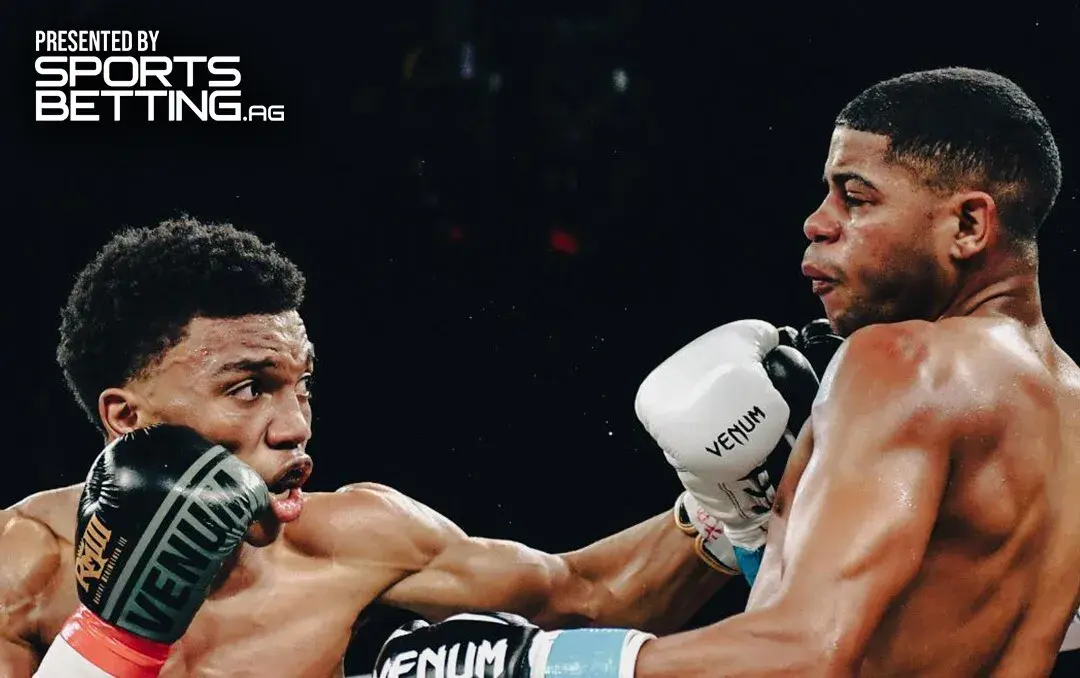
ARLINGTON, TX—Jose Ramirez and Maurice Hooker gave boxing fans everything they could have asked for on Saturday night: a title unification bout between two champions on opposite sides of boxing’s network and promotional divide, a toe-to-toe slugfest with ebb and flow, a conclusive ending with not only no controversy, but heartwarming comradery between the participants.
And yet the sadness and fright in the wake of the tragic ring deaths of Maxim Dadashev and Hugo Santillan loomed large, altering the perspective of the entire night.
Hooker was on the ropes in the final seconds of the fight, swaying like a beach umbrella in the wind as his head was violently thrashed back and forth by Ramirez’s combinations. It was hard as an observer to not hold your breath. Seeing Hooker’s family in tears, being consoled by everyone including nearby commission members, didn’t make it any easier, even as Hooker regained his bearings and began walking around the ring unassisted.
As ESPN’s Crystina Poncher reported on Twitter, Hooker was thinking the same thing as concerned onlookers. He didn’t want to die in the ring. Hooker entered Ramirez’s locker room after the fight, and told his opponent “two fighters died this week and I didn’t want to be the third--the ref did the right thing, because I was hurt.”
Boxing has seen hundreds of ring deaths over the years. In the past three years alone, six men have passed away from injuries sustained in the ring, and many more have suffered life-altering injuries. But the passing of Dadashev and Santillan seems to have sparked a change in the conversation about boxing as it pertains to the well-being of fighters, both amongst fans and the media and in the participants themselves, in a way previous tragedies failed to induce.
Perhaps it’s because Dadashev’s death happened on national television, or because Santillan passed away so quickly afterwards that neither could be viewed as an outlier. Perhaps it’s because of greater knowledge about brain injuries and CTE. Perhaps it’s because of the unavoidable national conversation about health care for citizens.
When a fighter dies in the ring and the community is crowdfunding for his widow, it brings home how dangerous even seemingly “normal” boxing matches are, and how little there is on the other side for the vast majority of fighters and their loved ones.
Boxing doesn’t exist outside of the real world, as much as we might want it to. If anything, prizefighting is more unavoidably connected to reality than any other sport. The athletes are laid bare, emotions and injuries visible, taking part in a sport with more imminent and constant danger than any other in existence. The consequences inside the ring don’t just end with a dip in the rankings or the relinquishing of a title. They start with a weathering of cognitive and motor skills over time, and end with something even more tragic.
It wasn’t that long ago that someone could be a visible member of the boxing media and openly call fighters “quitters” or “cowards” on a regular basis without anyone batting an eye. Now, that would quite rightfully be considered unsavory. When Diego De La Hoya told a referee that he couldn’t continue in his bout with Ronny Rios a few weeks back, all sensible observers viewed that as a totally understandable decision. A few years back, that would have been all the fodder needed for a columnist to spit out hot takes about an entitled fighter not having any heart.
What’s most notable is how fighters—the actual tough guys in the room—are now speaking, particularly in the wake of these recent tragedies.
When 20-year old Nikita Ababiy sat down for his fighter meeting with DAZN broadcast staff on Thursday afternoon, he stopped mid-answer early in the interview and said, “but hey—what’s going on with fighters dying in the ring?” The daunting reality of the profession he’d entered into last year seemed to crystalize for him.
Super featherweight titleholder Tevin Farmer has been perhaps the most cutting and poignant in his remarks on the topic.
"When you're dead and gone, boxing fans are going to move on to the next person, so go in there, do what you do, get paid and go home to your family. If boxing fans want to see a bloody war, go support the people who give you a bloody war," Farmer said at the post-fight press conference. "People don't understand how it is when you're in there fighting, that shit looks easy as shit [from the outside]."
Farmer later posed a heart-wrenching, and unavoidable, query on Twitter: “(Should I be) more entertaining like take more risks? And more punches to the head? Just to be another fighter to suffer from brain injuries and possibly die just so I can be forgotten about a few months after?”
There is a fine, but clear line between appreciating brutality and requiring it. It is true that boxing will never be fully safe—it is, after all, organized violence. But to simply say “boxing is a dangerous sport” and “the fighters know what they’re signing up for” and turn our palms to the sky is to do a disservice to the men and women we claim to appreciate. There are increased medical, financial and regulatory initiatives that could make the sport at least nominally safer, but also make fighters’ retirements less bleak.
It is perfectly fair to analyze or even criticize fighters’ strategies or performances, but only within the realm of sport. The physical stakes of boxing are arguably too high for media or fans to razz a fighter the way they would, say, a slumping batter in baseball. Even the most passive, contact-averse boxer in the world is still risking his or her well-being every time they step into the ring.
Days before his victory over Hooker, Ramirez articulated this very point to BoxingScene’s Keith Idec.
“We’re by ourselves inside that ring. And sometimes coaches and fighters, they don’t wanna stop fighting, even though it’s best for them to stop fighting. But they won’t wanna stop fighting because they’re more focused on the criticism that might come afterwards than their own health. So hopefully the fighters understand – and the fans and the community of the boxing world – learn how to understand the boxers a little bit more and what they go through,” said Ramirez.
“Hopefully this can make people more compassionate about the sport of boxing, rather than the negativity that a fighter might come across through social media and stuff like that. Boxing’s an amazing sport and fighters are gonna go out there and not be concerned about what could happen."
If we’re going to be there for the fights, we have to be there for the fighters too.