Nonito Donaire Takes First Step In Possible Miracle WBSS Run

Nov 5, 2018 • 2:35 AM ET
By Corey Erdman
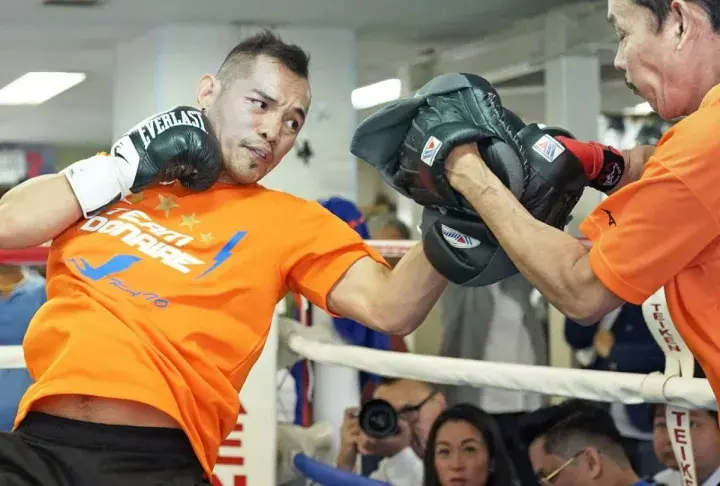
Inherent in any miracle is a healthy dose of luck. On Saturday, Nonito Donaire received his requisite sprinkle of good fortune in his first contest in the World Boxing Super Seires bantamweight tourney.
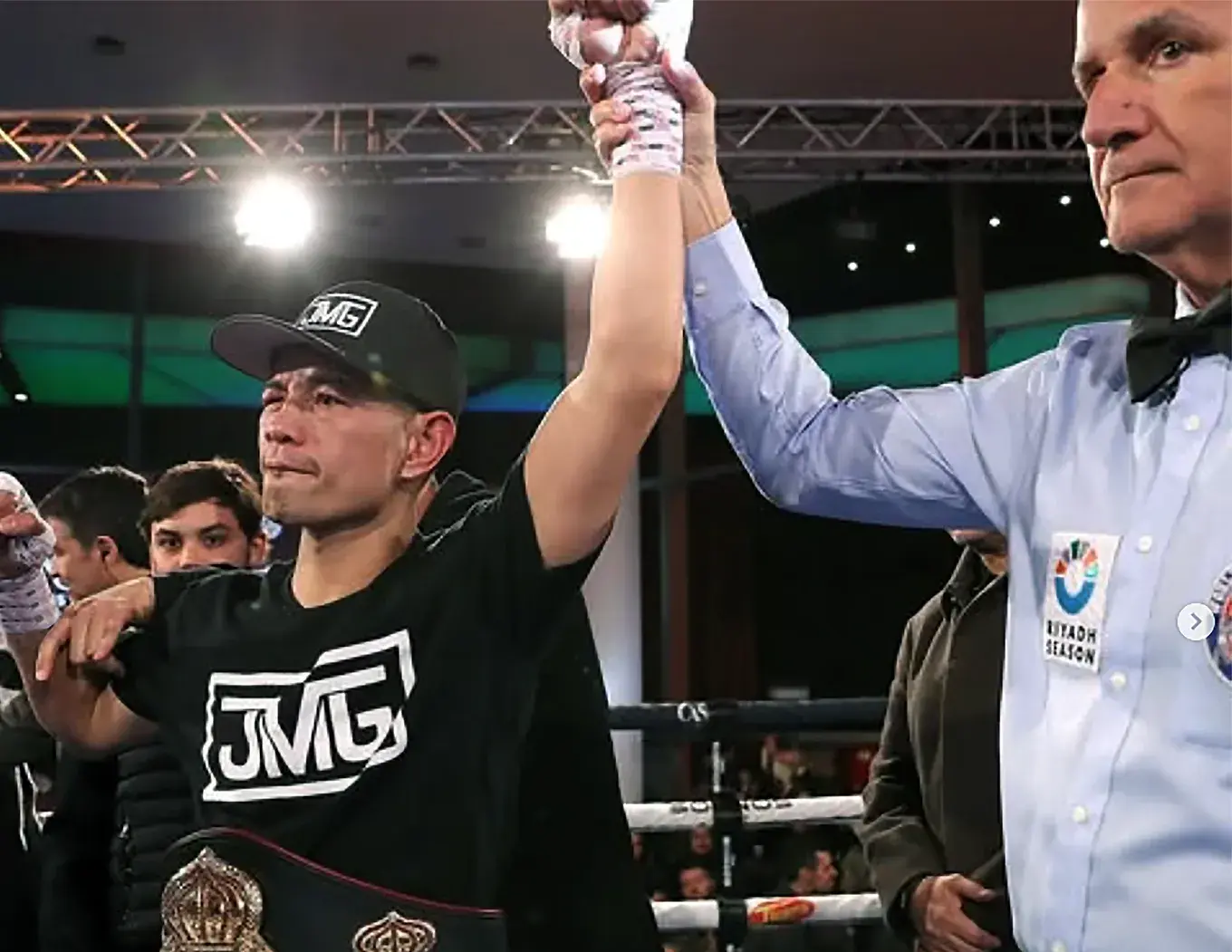
Donaire, who entered the tournament as the lowest seeded fighter in his half of the bracket, went toe-to-toe with No. 1 seed Ryan Burnett for four rounds, before a freak back injury rendered Burnett unable to continue. Donaire was awarded the victory via TKO, and the WBA bantamweight title.
"I would like to send prayers of healing to Ryan Burnett and thank him for sharing the ring with me. I know he'll heal up and be back in the ring soon," said Donaire following the fight. "As a warrior, Burnett is an amazing fighter, early on he just kept coming at me. A win is a win and it wasn't the way I would like to win but he's an amazing fighter."
The 35-year old handled the situation with the class one would expect from the elder statesman of the tournament, and someone who has been a trailblazer for fighters in lower weight classes in the United States. It’s possible that a tournament such as this one would have never garnered enough interest to be arranged had Donaire not helped put the spotlight on lower weight classes with his prominence on American premium cable networks in the aughts.
In Donaire’s prime, he was a complete outlier in the American boxing marketplace. Perhaps aided by the rise of Manny Pacquiao and an increased interest in appealing to Filipino fans, Donaire was given attention no other fighter at 112, 118 or 122 pounds was being given—top-billing on Showtime and HBO events. His entry into the boxing public’s consciousness came at a time when big money was going to Pacquiao, Mayweather, whoever their opponents were, and a smattering of disappointing heavyweights, but certainly not to fighters below 147 pounds. These days, it’s not unusual to see fighters even below 115 pounds headline a televised event in America, so it’s easy to forget how monumental Donaire’s rise was.
“I've pretty much achieved everything in boxing. Fighter of the Year, Knockout of the Year, multiple division world champion. I have all the belts,” said Donaire prior to the fight. “My workrate has been declining in all my fights. There is a pattern within me that people can take advantage of. I'm a big name to put in people's resume.”
By around 2013, Donaire already had enough on his resume to make it into the International Boxing Hall of Fame, based on the number of belts he’d collected, name recognition with the largely American voting pool, and overall impact on the sport. It would have been easy for him to carve out a cushy path towards retirement, staying within the Top Rank confines, and simply taking showcase fights as an accompaniment to Manny Pacquiao pay-per-views. But time and time again, Donaire requested risks he didn’t have to take, and moved up to weights he shouldn’t have been at—or at least didn’t need to be at.
He chose to challenge himself against Guillermo Rigondeaux in a no-win situation, battle a big-punching featherweight in Nicholas Walters and engage in a savage war with Cesar Juarez that landed on 2015 Fight of the Year shortlists. Earlier this year, he took perhaps his most commendable risk, challenging top featherweight Carl Frampton on the road in his hometown, where he dropped a unanimous decision.
“I've always been more comfortable in the lower weigh classes, but the reward is much higher in heavier weight classes. So, in a moment of complacency, I wanted to challenge myself. My last fight was my realization that I don't belong in this weight class,” said Donaire during a pre-fight documentary package.
There was the sense over the past few years that while Donaire was fighting, and taking risks, he seemed to be doing so at random. The direction in his career seemed to have gone awry, and he was barreling down the road to becoming the big-name punching bag for opponents much too big for him. It would have been a terribly undignified way for a fighter of Donaire’s ability and importance to have spent his final years in the sport.
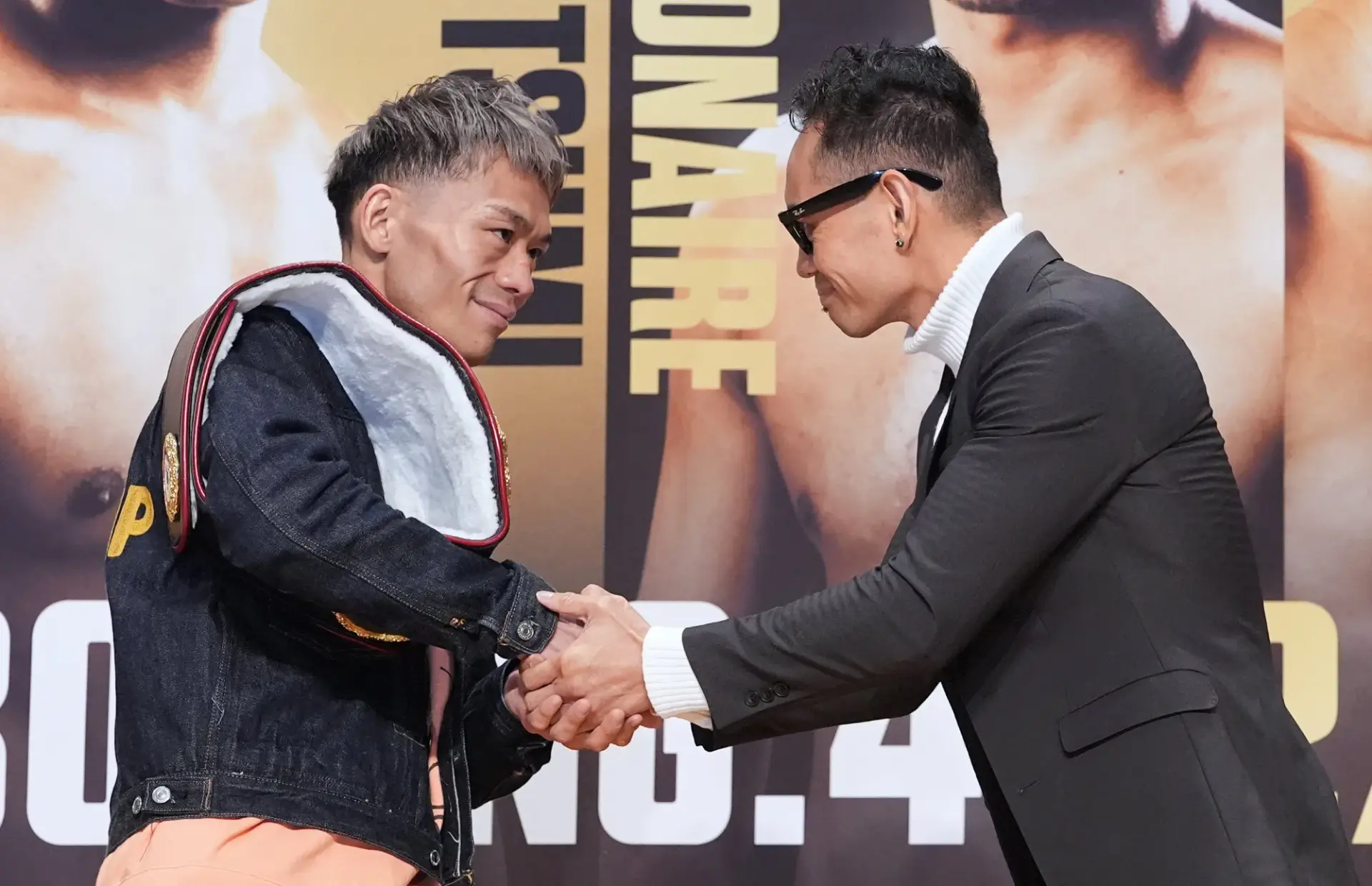
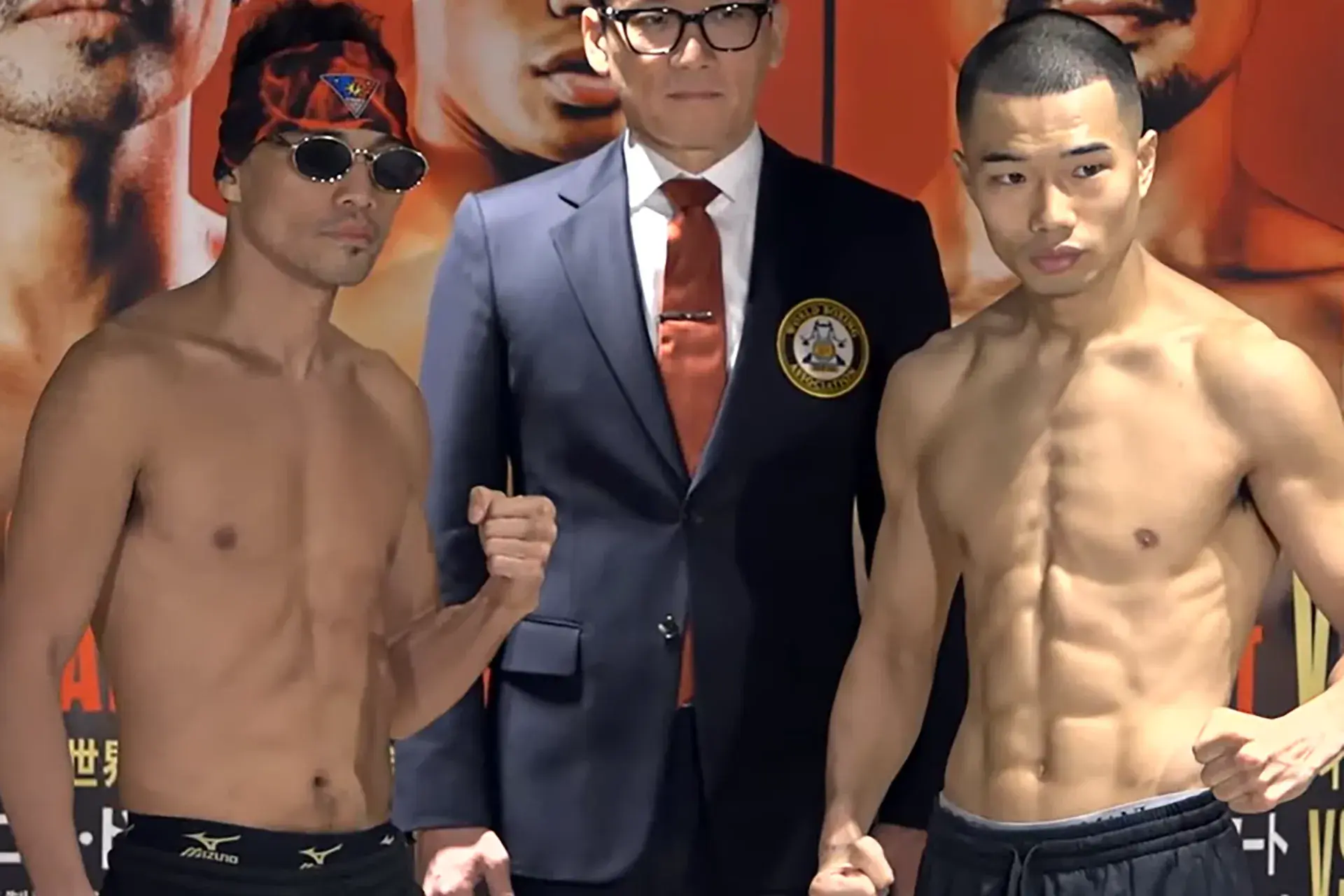
Whether the fights in the WBSS turn out to be Donaire’s last or not, this is what you’d prefer to see out of his later days. He now has a bantamweight world title, almost eight years after he last had to make 118 pounds, and is two wins away from becoming the division’s undisputed champion. He’ll next have to face Zolanti Tete—no small hurdle—and if he can get past him, a potential final against Naoya Inoue, which would perhaps be the biggest and most meaningful all-Asian fight of all-time.
A Donaire-Inoue battle would be a fight that could bring the kind of attention the WBSS wants in North America. A dream fight, a clash between the arguable best of two separate generations.
"Sometimes you get complacent because you've been there, you've done that. You don't really know what is next. That's when my skill declined," said Donaire. "Sometimes you need to have a dream to keep yourself going."