

Editor’s Letter: The future holds no fear for Derek Chisora
Apr 4, 2026 • 5:00 AM ET
 MF Pro
When I was the editor of Boxing News and I naively thought my opinion meant something, I would regularly urge Derek Chisora to retire. I would do this with the best of intentions via now cringe-worthy tweets, editorials on the pages of Boxing News and, more than once, I did so to his face.
“Then don’t watch me [fight] then,” he said at the end of 2021, ahead of his second consecutive punishing loss to Joseph Parker. “I don’t care. I am not worried, so why should you be worried? The worst thing that can happen is you die. That’s the worst thing. Or you carry on, you keep going. You live life. I enjoy walking around with my big balls doing whatever I want.”
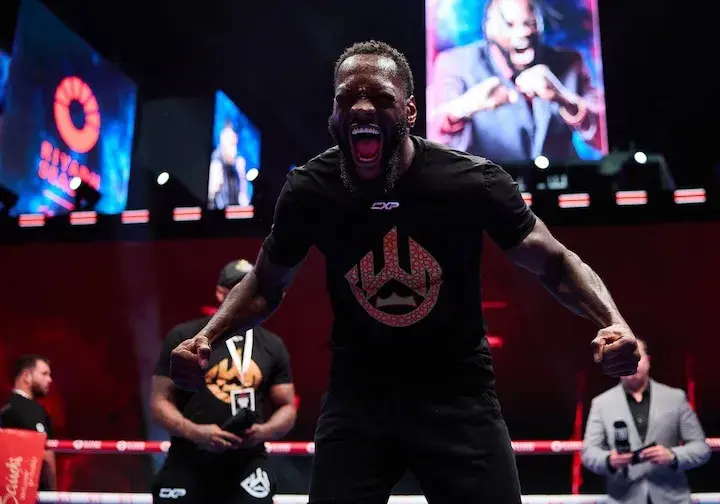
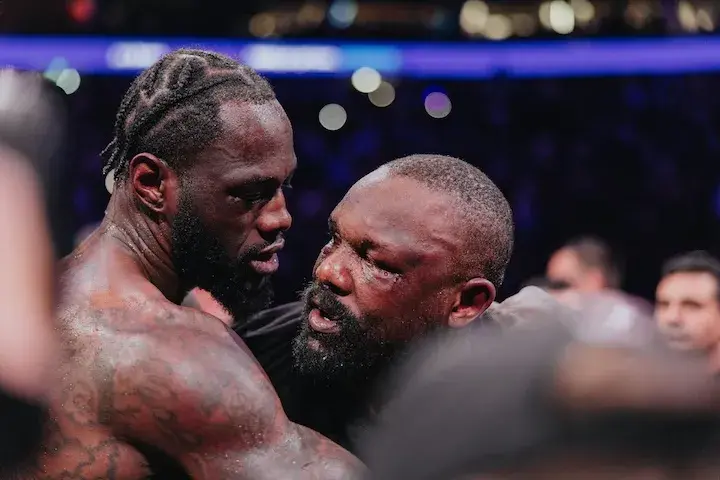
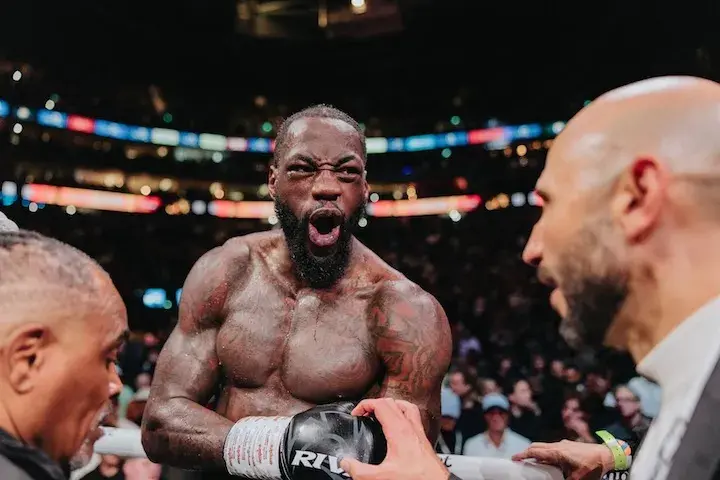
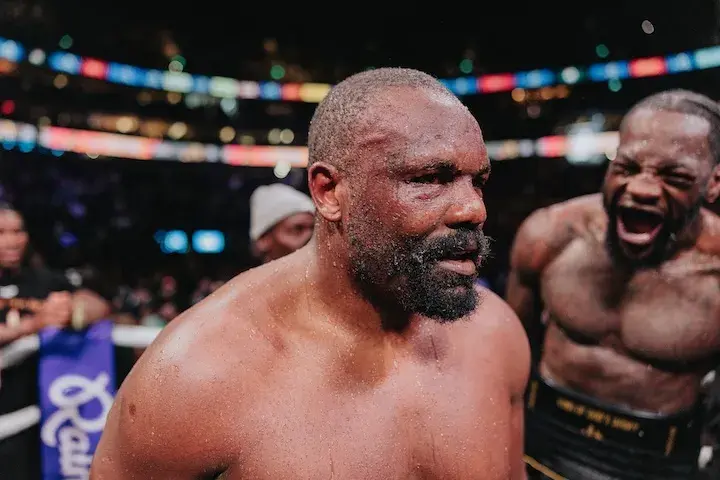
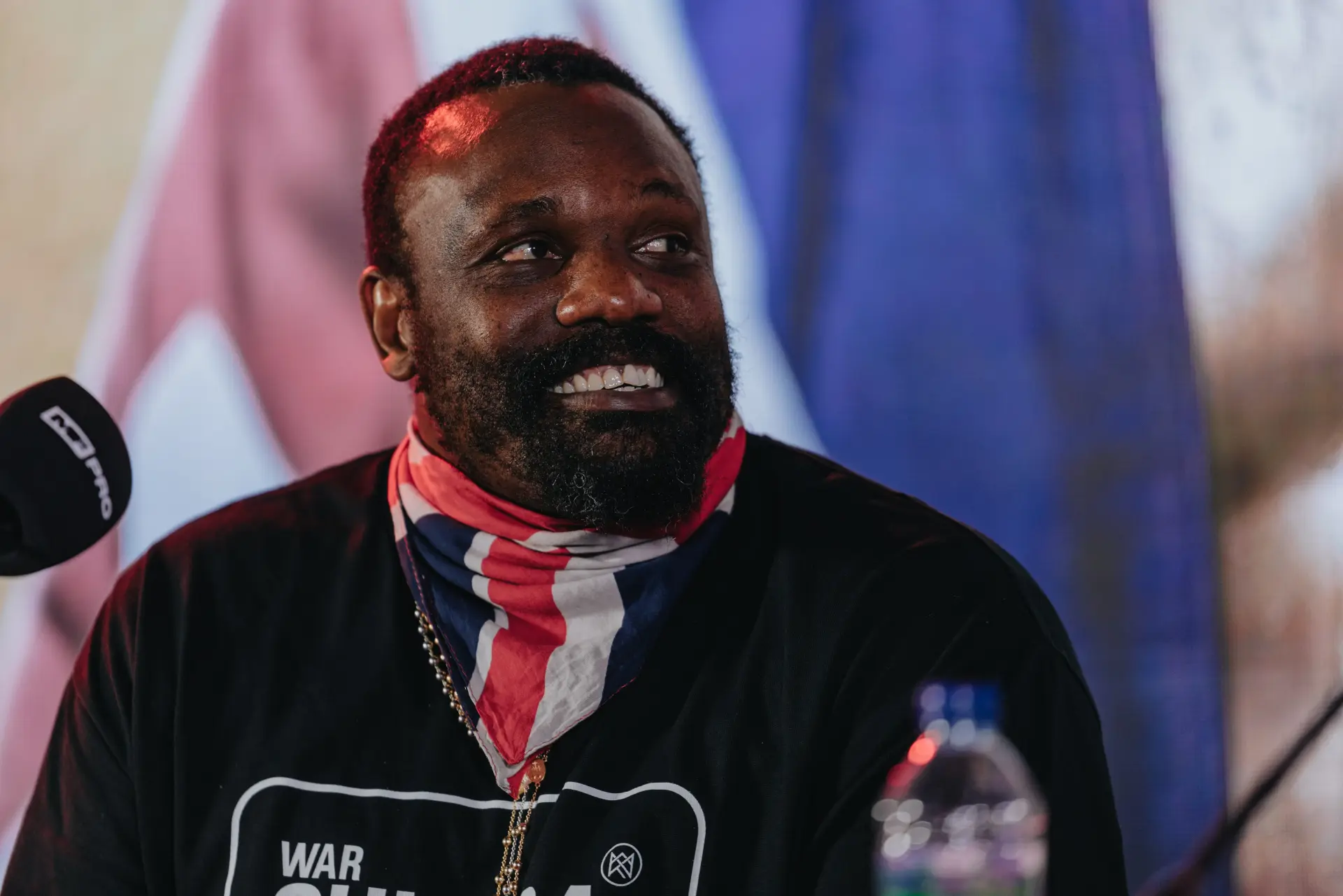
Today, as he promises Saturday’s fight with Deontay Wilder will be his 50th and final outing for those big balls, there is some relief that Chisora, arguably the most effective long-past-his-best heavyweight in the history of the sport, is at last going to stop taking punches to the head.
Yet the cost of the blows he has already endured are a lifetime expense. Boxing is a no-refund sport for those in the firing line; you must keep the damage you accrue.
Regardless, what I came to realize was that someone as irrelevant as a boxing journalist had no business advising someone like Derek Chisora to walk away. Because Chisora, even if magically presented with a vision of what he’ll become in 10 or so years’ time, wouldn’t change a thing about the journey to it.
With that last thought in mind, what I feel now for Chisora is concern – not that he would appreciate it one bit – for how he’ll cope in retirement, away from the limelight, stripped first of his fighting pride and, sometime later, left to deal with what remains of himself. And there’s also regret that, for too long, I was preoccupied with my own conscience and opinion, rather than being more alert to the desires of those taking the risks, the punches, the damage and the acclaim.
“Let me tell you something about boxing,” Chisora once told me. “It is the crème de la crème of all sports. Forget football and the Premier League. You have some players that are kings of kings, but in boxing, the moment you lace up gloves and you are a boxer, then you make a name for yourself. You are a king in your own right. In the Premier League, you are one of many. Boxing opens doors for me in a way that Premier League players can’t open doors. … All the restaurants love me, they love my family. Anywhere you go, they have the respect for the boxers more than any other sport.”
He had yearned for that status, and worked exceptionally hard to achieve it, for a long time. On a cold winter’s day in 2010, as he attempted to rally attention for his scheduled fight with Wladimir Klitschko, he walked through Selfridges in the heart of London carrying a life-size cardboard cut-out of the then-heavyweight champion. “This is all part of the game,” he explained back then. “People need to see me for who I am on the other side. I want people to see that person that you’re seeing now, to see me for me, not anybody else, do you know what I mean?”
Wearing a cap that read “I AM THE GREATEST,” he would stop people in the street, ask them if they knew who he was. If they didn’t, as was the vast majority, he would tell them that his name was Derek Chisora and he was soon going to fight for the heavyweight championship of the world. “I realized I wanted to be recognized,” he would say when reminded of that day a decade later. “I always wanted that more than anything.”
The fight with Klitschko, set for December 11 that year, was canceled four hours after the public workouts during fight week when the Ukrainian, amid rumors of poor preparation, pulled out citing an abdominal injury. “I feel like shit, I feel like crying,” Chisora told me over the phone. “I don’t want to do anything. It really hurts. All I want to do is get on a plane and go home.”
He would be in a similar mood at Helsinki airport 12 months later, the morning after he had been cruelly denied a deserved points victory over then-unbeaten Robert Helenius in Finland. “A black guy goes and boxes in a blue-eye city where everyone is white,” Chisora said. “I could have knocked him out and they’d still have raised his hand. … I’m done with this shit.”
What he was done with, though, was not the fighting but the pressure to toe the line.
Chisora would get his title shot and lose to Vitali Klitschko on points in February 2012. At the weigh-in, he would slap Vitali across the face; immediately before the bout, he would spit water into the face of Wladimir; and, afterwards, he would engage in an ugly brawl with David Haye. Chisora, back then, seemed to accept that his best shot at that desired recognition was infamy. “If they want a villain,” he said, “I’ll be the villain.”
Several years later, he would reflect on those days in Europe causing chaos. “I would always say to myself, if I go to another country and fight another person, I have to disrupt that harmony. To stop me, put me in a body bag and send me back to my mother. Otherwise, I would mess up the whole day.”
Surely it got tiring to keep playing the fool. “The fines [are tiring],” he said in 2013. “But when people are paying money to stand in an arena and call you names and boo you, it shows you are something special.”
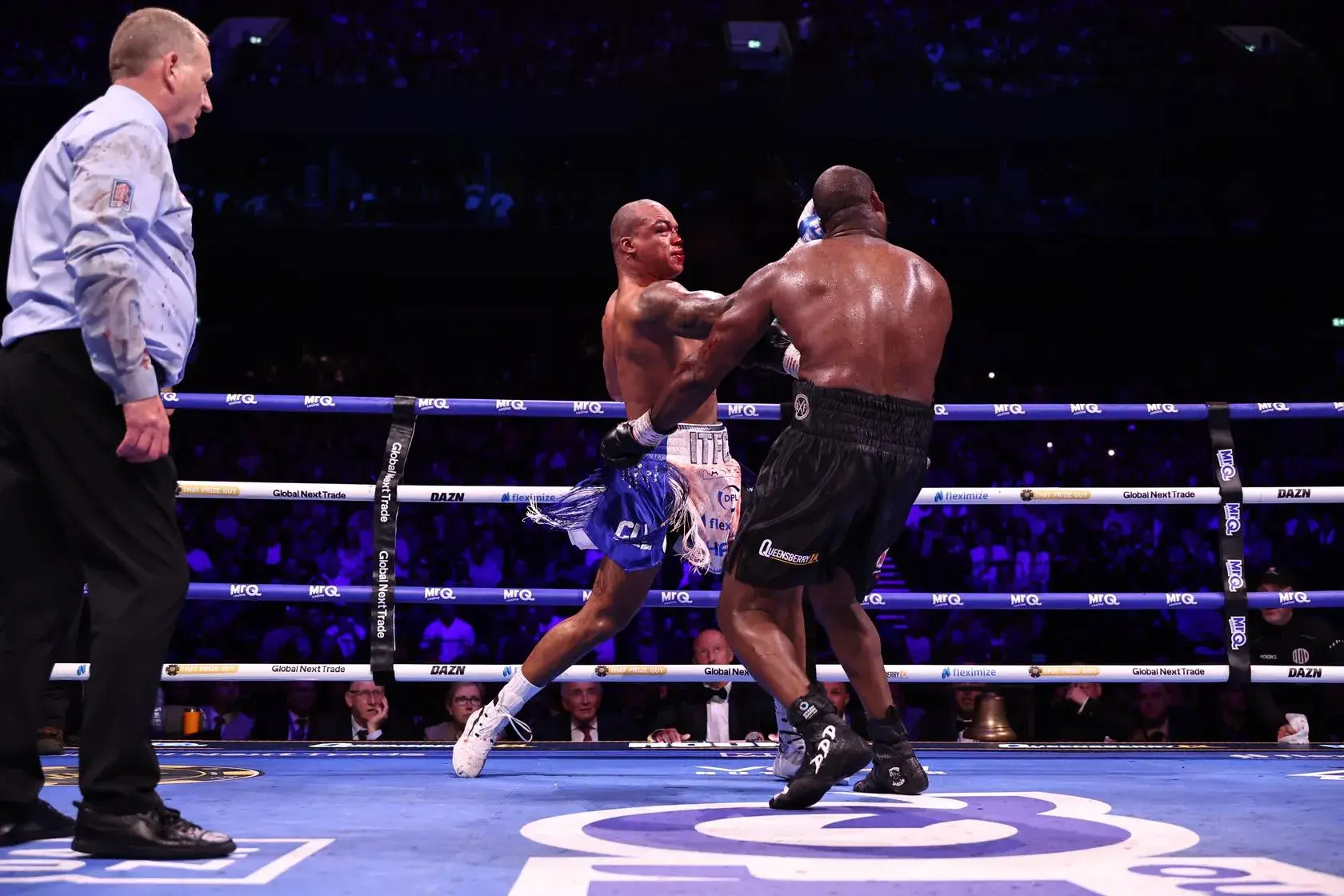
It all changed five years later when he emerged as the last man standing from a hellacious affair with Carlos Takam at London’s O2 Arena, a venue he would soon make his own, knocking out the Frenchman in eight rounds. By the end, the fans were not calling him names, they were cheering his. It has been that way since, whether win or lose. The public had at last got to know Chisora in the way that he had always wanted.
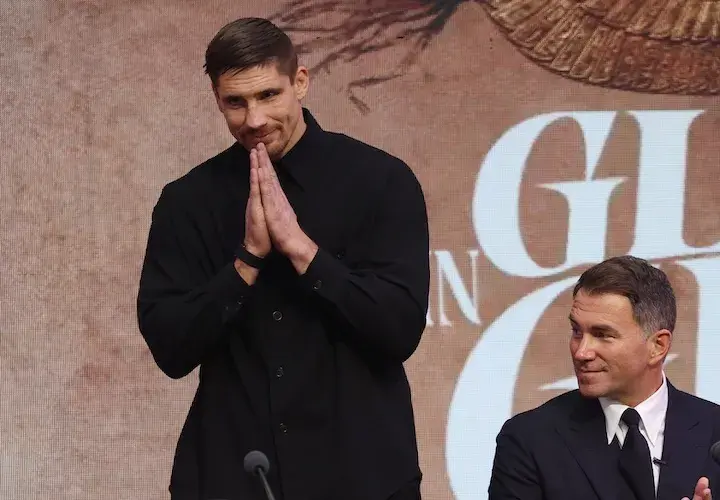
Yesterday, ahead of his promised swan song, he traveled through the streets of London to his final pre-fight press conference on a tank. In his hand was a Union Jack flag, and by his side was Britain’s most divisive politician. Whether his embracement of Nigel Farage, the leader of the right-wing Reform party, signals he’s finally all grown up is a matter of opinion.
But Chisora, enjoying every moment of the adoration that he himself cultivated, is certainly moving on. His future is purely of his own making, even if what it now holds is likely out of his hands. As always, he will walk into it without a care in the world. The only thing the rest of us have any right to do is wish him well.
“Not being scared is my policy in life,” he said. “We all breathe, we all die. There’s no fear in [dying] for me.”
Matt Christie, a lifelong fight fan, has worked in boxing for more than 20 years. He left Boxing News in 2024 after 14 years, nine of which were spent as editor-in-chief. Before that, he was the producer of weekly boxing show “KOTV.” Now the co-host of ”The Opening Bell” podcast and regularly used by Sky Sports in the UK as a pundit, Matt was named as the Specialist Correspondent of the Year at the prestigious Sports Journalism Awards in 2021, which was the seventh SJA Award he accepted during his stint in the hot seat at Boxing News. The following year, he was inducted into the British Boxing Hall of Fame. He is a member of the BWAA and has been honored several times in their annual writing awards.
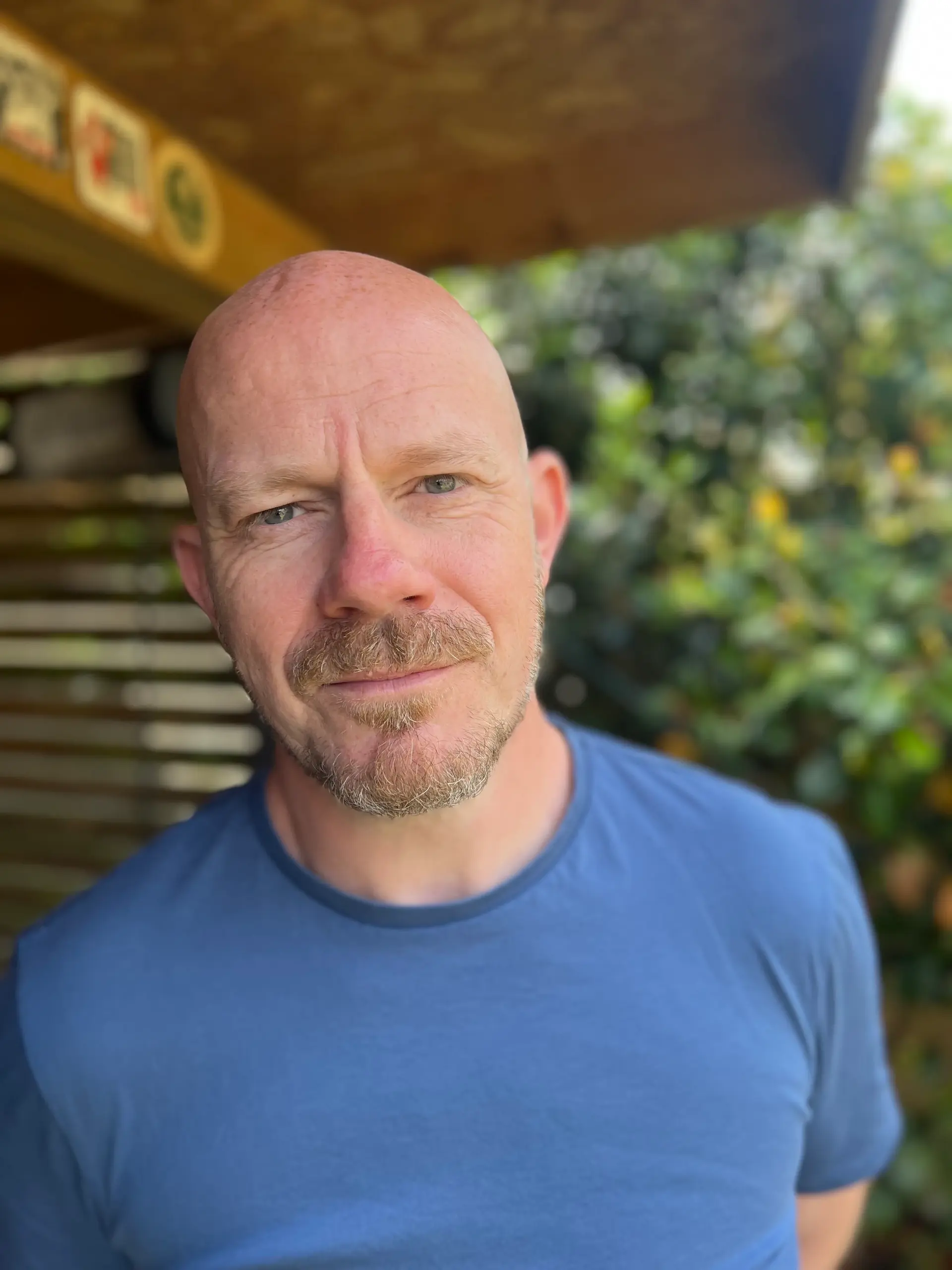
Matt Christie, a lifelong fight fan, has worked in boxing for more than 20 years. He left Boxing News in 2024 after 14 years, nine of which were spent as editor-in-chief. Before that, he was the producer of weekly boxing show “KOTV.” Now the co-host of “The Opening Bell” podcast and regularly used in the UK as a pundit, Matt was named as the Specialist Correspondent of the Year at the prestigious Sports Journalism Awards in 2021, which was the seventh SJA Award he accepted during his stint in the hot seat at Boxing News. The following year, he was inducted into the British Boxing Hall of Fame. He is a member of the BWAA and has been honored several times in their annual writing awards.