


Caleb Plant: ‘My life is like a revenge tour’

Mar 23, 2026 • 8:00 PM ET
 Ry Shorosky
Caleb Plant has turned his 2021 loss to Saul “Canelo” Alvarez into a lifestyle brand.
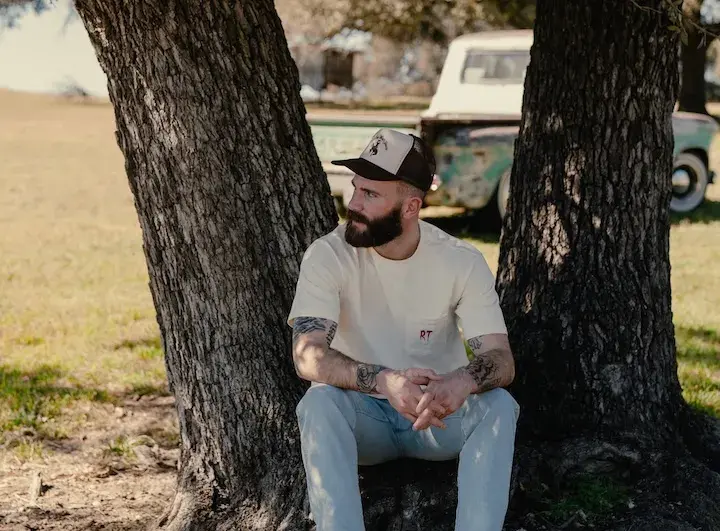
The former IBF super-middleweight titlist recently launched the latest collection of his clothing line, The Revenge Tour. Plant’s latest creation is the Tombstone Collection, inspired by the movie of the same name. “I have always wanted to have my own brand, and after I lost to Canelo, Revenge Tour came to mind,” Plant told BoxingScene. “I thought that it was fitting.”
At first, it was about getting back to avenge the loss to Alvarez and defeating more big names in the sport. Yet, the brand has evolved. It isn’t solely about that 11th-round defeat anymore.
“It turned into something bigger than boxing,” Plant, 33, said. “That my life is like a revenge tour.”
Plant, originally from Nashville, Tennessee, and now a Las Vegas resident, is not stranger to dissenting voices nor challenging situations.
“A lot of us started with very little and had to go out there and get our revenge,” Plant said. “You can think of revenge as a negative thing, but it could force you to do the right thing…they say success is the best revenge.”
For Plant, sometimes, the art of revenge is eating the right foods or going to bed on time in training camp. To revenge a defeat, or even to revenge a wrong, Plant is determined to stay in shape. Through it all, he's harvested a huge fanbase.
“I have tried to build a brand people can relate to,” Plant said. “Because of that, I feel people have a connection with me.”
Plant’s latest collection is inspired by his grandfather, who was a cowboy. The two share a favorite film; Tombstone.
“That movie has helped shape my personality a lot,” Plant said.
Plant shot the campaign photos, which include those of a white horse, for his latest collection of clothing at a ranch owned by the American author and director Taylor Sheridan.
“The horse represents death and trauma,” Plant said. “We all carry trauma from the things we have been through in life, and the people we have lost. A lot of times we choose to ignore that trauma.
“The horse represents now I am trying to face that trauma, I am trying to steer it, control it, and put it where I want it. What was once weight on my shoulders is wind on my back.”