Zabala Will Not Back Off, Wants His $8.5 Million From Canelo

Apr 21, 2017 • 11:48 PM ET
By Miguel Rivera
As BoxingScene.com reported earlier this week, the attorneys for promoter Felix 'Tutico' Zabala of All Star Boxing have filed a motion to garnish the wages of two-division world champion Saul 'Canelo' Alvarez.
Last June in a Miami court room, Canelo was cracked with a jury verdict which directed him to pay $8.5 million to former promoter Zabala.
For several years, there was an ongoing lawsuit between Zabala and Golden Boy Promotions/Canelo.
Zabala claimed that Canelo signed a four year promotional contract in 2008, but then violated that contract when he signed a promotional agreement with Golden Boy in 2011. The jury exonerated Golden Boy, but ordered Canelo to pay $8.5 million to Zabala - ruling that the Florida based promoter introduced Canelo to Golden Boy and helped jump start his career in the United States.
Of course Canelo vowed to appeal the jury's verdict and he filed two motions. One motion was to dismiss the verdict and other was for the court to order a new trial. Both of those motions were denied a few weeks ago.
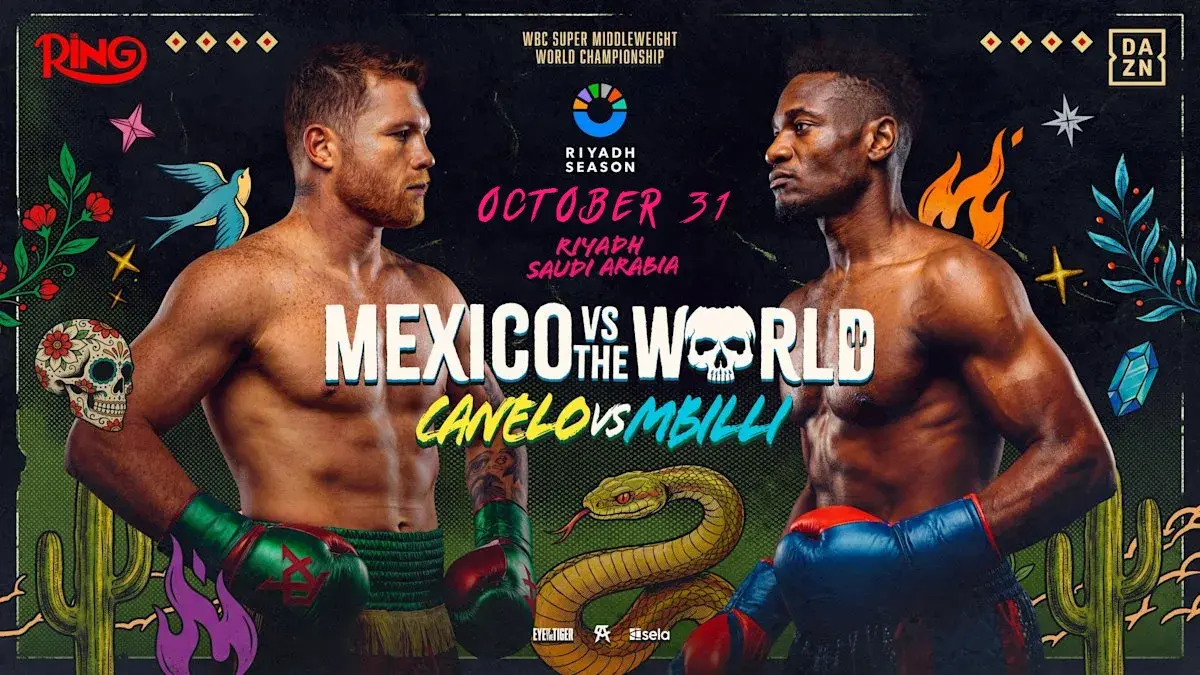
Zabala is now moving to claim his money from Canelo's upcoming HBO Pay-Per-View showdown with Julio Cesar Chavez Jr., which takes place on May 6th from the T-Mobile Arena in Las Vegas.
There has been another appeal filed against the jury's verdict.
"We won this case in court and a jury ruled that 'Canelo' must pay us $ 8.5 million for breaking a promotional representation contract we signed in 2008," Zabala told ESPN Deportes.
"We don't want to talk about a case that was already tried. The court gave us the verdict and established the amount that was considered fair to compensate us. Now all we are looking for is for Canelo to pay. They have just filed the appeal, although for the legal process to continue they need to file the $8.5 million with court. If they do not, we have the right to requisition any income or economic remuneration that Canelo has in the United States."
"Any money that he receives in the US, the first $8.5 million will have to come to us - in the event that he doesn't deposit the funds required by the court."